If you can't see this newsletter properly, please click here |
|
|
A no-fluff weekly email for senior photographers who want their business to feel intentional instead of accidental. |
|
|
Welcome to this week’s edition of SeniorInspire the Newsletter!
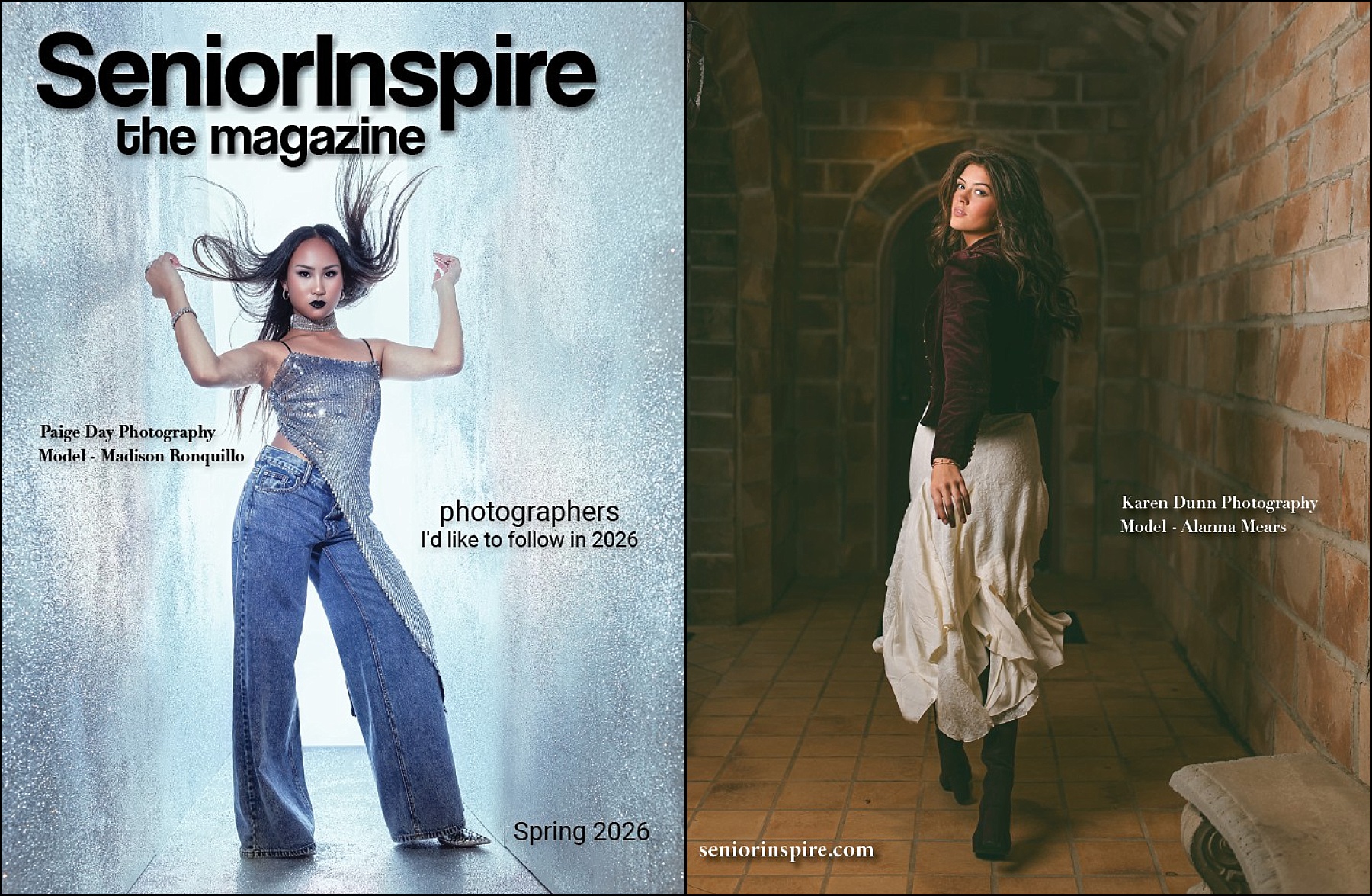
This week’s big news is the release of the brand new SeniorInspire the Magazine, featuring the winners of our annual Photographers I’d Like to Follow contest. The magazine is officially available now, and you can grab your copy at www.seniorinspire.com/buymagazine.
I’ll say this without hesitation. This is the best collection of work we’ve ever had in one of our magazines. The creativity, styling, posing, and lighting throughout this issue are just incredible. Even if you don’t have images featured this year, this is still a magazine you’ll want on your shelf. It’s packed with inspiration and ideas you can bring straight into your own sessions.
It all kicks off with our stunning cover image from Paige Day, and the inspiration just keeps rolling through 162 pages of phenomenal senior photography, finishing strong with our back cover image from Karen Dunn.
If you’re looking for fresh ideas, posing inspiration, or just a reminder of how much talent exists in this community, this issue delivers. Now let’s get into the rest of this week’s newsletter. —Nick |
This Week’s Question:
You’ve mentioned a book you're writing about pricing for senior photographers a few times. When is it coming out? |
The short answer is, if all goes as planned I'll be releasing Start Smart: The Senior Photography Business Guide I Wish I’d Had on April 4th. The longer answer is that the release date is actually the least interesting part of the story.
Over the years I’ve had plenty of conversations with photographers about pricing, and one thing has become pretty clear. Most photographers don’t struggle with pricing because they’re bad photographers. They struggle because nobody ever taught them how to build the business side of this career in the first place. A lot of people fall into photography the same way I did. You start taking photos of your kids or your friends’ kids. Someone says, “You should be charging for this.” You buy a better camera, a few lenses, maybe a light or two, and before you know it you’re a photographer with clients and expectations. The photography part we can figure out. Lighting improves. Posing gets better. Editing gets cleaner. But pricing? Pricing is where things tend to get messy. Most photographers build their pricing by looking sideways. You ask what other photographers in your area charge. You pick numbers that feel comfortable. Sometimes you raise prices when you feel busy and lower them when things slow down. And all this happens while some photographer in a workshop is telling you to 'just raise your prices'. The whole system ends up being driven more by emotion than by math.
That approach works for a while, especially when photography is still a side hustle. But eventually photographers start asking bigger questions.
Why am I working so hard and still feeling stretched? Why does being booked not always feel profitable? Why does pricing still feel like a guessing game?
What’s interesting in my case is that before photography I was a CPA, so the business side of things came a little more naturally. Ironically, once I started my photography business I wasn’t really applying anything I’d learned in the accounting world. I was running things mostly on my business intuition which was decent enough that I was able to focus mostly on the photography itself.
Eventually I worked my way toward the systems and numbers that made the business make sense, but it took time. That’s why I say I wish I’d had something like Start Smart when I began. Not because I couldn’t figure it out eventually, but because it would have pointed me in the right direction much earlier. |
One of the ideas I talk about in the book is something I call your Required Average Sale. The word required is doing the heavy lifting there. Most photographers know roughly what their average sale is, but very few know what their sessions actually need to average if their pricing is going to support the business they say they want. Once you understand that number, pricing starts to make a lot more sense. You stop copying other photographers and start building a structure that actually works for your goals.
The book itself is called Start Smart: The Senior Photography Business Guide I Wish I’d Had, and that title is pretty literal. When I started, I spent years figuring things out the slow way. Trial and error works, but it’s not always efficient. If I’d had a clear roadmap for the business side earlier, it would have saved me a lot of time and a lot of head scratching.
So that’s what the book is meant to be. Not a motivational “hustle harder” guide, and not a theory-heavy business textbook. It’s a practical walk-through of how to think about costs, income goals, product structure, and pricing decisions so your business actually supports the life you want it to support. And yes, the release date is April 4th, which is coming up quickly.
Before we wrap up, here’s a simple question I like to ask photographers when we start talking about pricing.
If you photographed 40 seniors next year, what would your sessions actually need to average for your business to support the income you want? Not what feels reasonable. Not what other photographers charge.
The number your business would truly require.
If that question makes you pause for a second, you’re not alone. It’s exactly the kind of question Start Smart: The Senior Photography Business Guide I Wish I’d Had is designed to help answer when it releases on April 4th. |
Have a burning question you want answered in a future column? Head over to www.seniorinspire.com/asknick. I’ll be there manning the phones and waiting for your questions... |
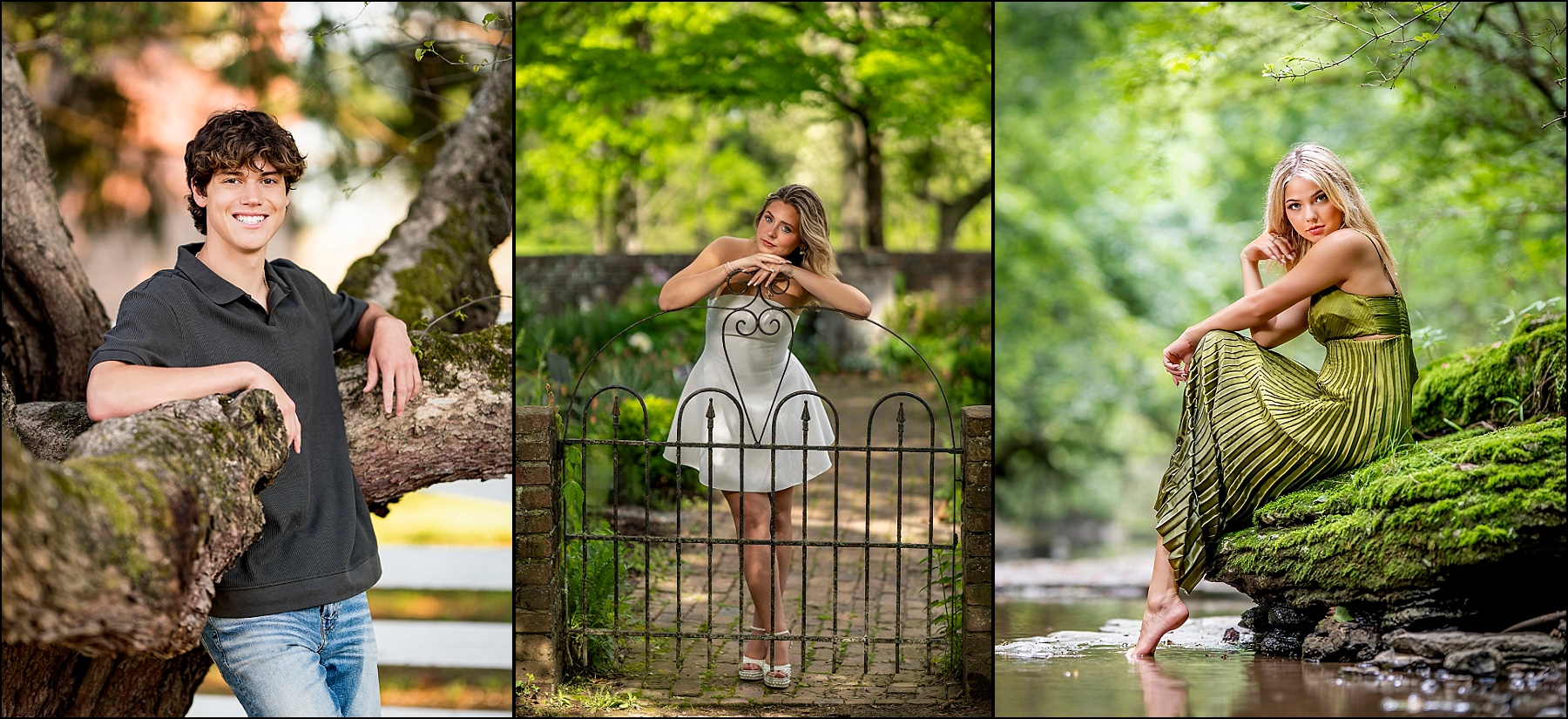
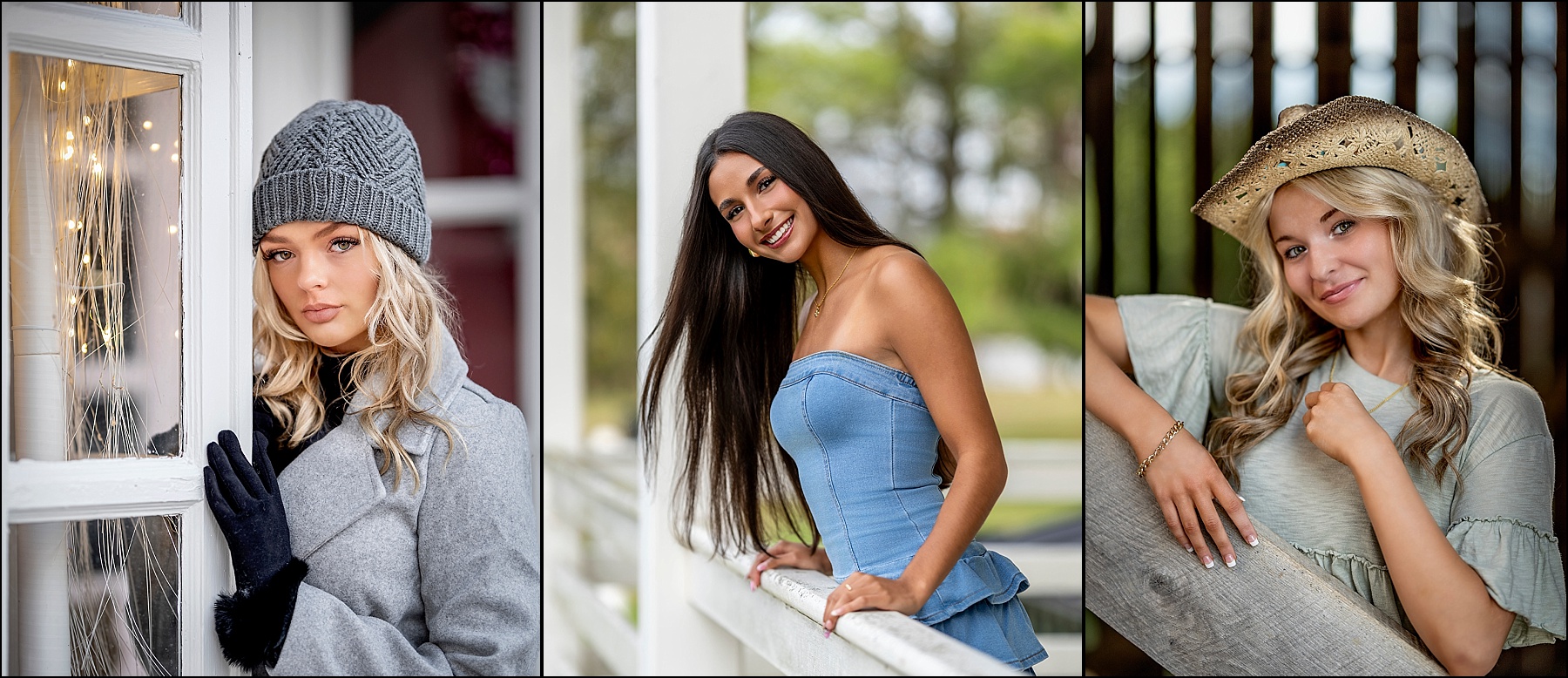
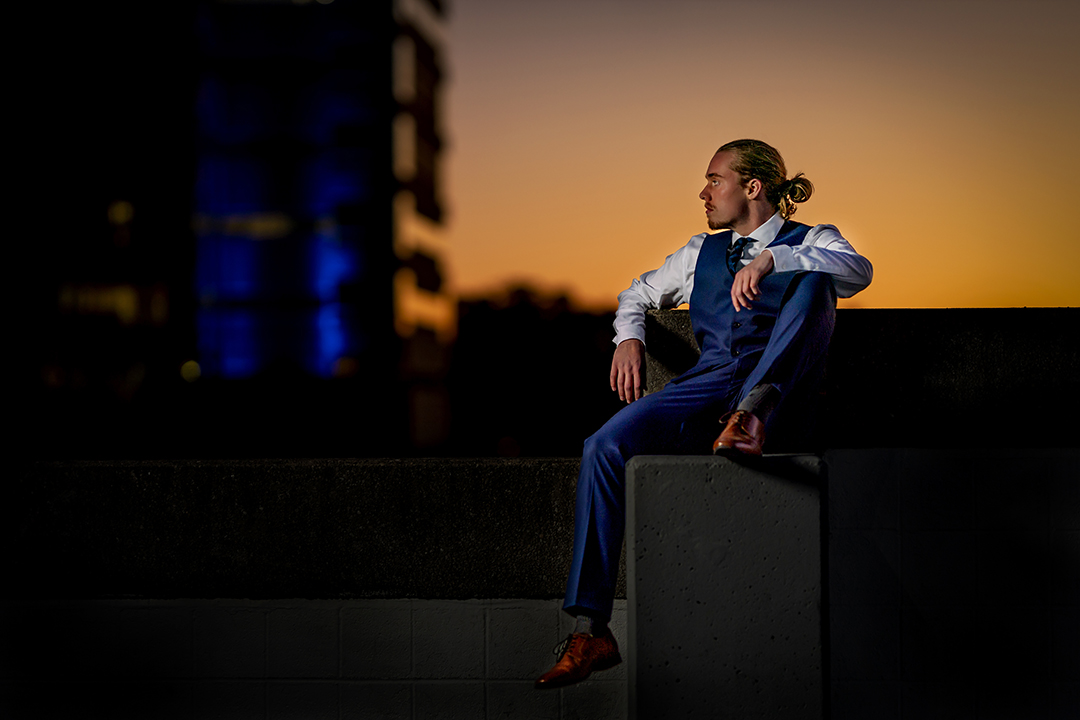
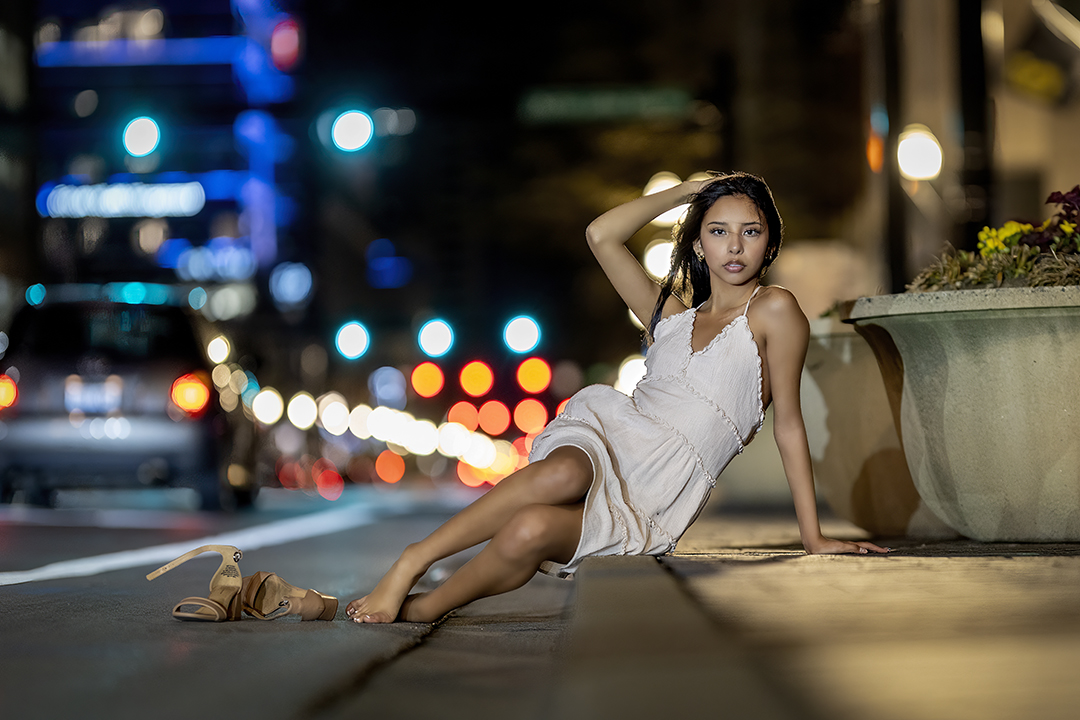
This week’s Photographer of the Week is Ken Owen from Lancaster, Kentucky.
One of the things I enjoy most about this feature is introducing photographers whose path into senior photography didn’t follow the typical route. Ken is a great example of that. Like many photographers, he came to portrait work after years behind the camera in other areas of photography, and it’s always interesting to see how those experiences shape the way someone approaches their work today. I’ve really enjoyed getting to know Ken through his photography over the last few years, and I think you’ll enjoy seeing the images we’re sharing this week. Take a moment to check out his work and learn a little more about him in the bio below. |
Hi there! My name is Ken Owen, and I am a senior portrait photographer located in Lancaster, KY. I have been doing photography for 30+ years. Many of those years, my photography was just documenting finished projects from a landscape construction company that I owned. I did wildlife photography for fun, which was my outlet from the stress of running a demanding business.
I had a couple of senior girls who lived in my neighborhood ask me to do their senior photos about 7 years ago, which started me on this journey! I have officially been in business for 5 years now, as I do my photography in retirement.
I have a hard time describing my self-taught photographic style, but I've heard others use words like "clean" and "vivid." I shoot exclusively in color and love the way off-camera flash brings that out in a photo. I'm not a fan of color presets in my photography, as I just try to replicate what my eye sees in my finished images.
At first, I was really nervous about photographing people in general, as I was used to putting on camouflage and disappearing into the woods with my camera. No interaction, no posing, just capturing. That was my biggest learning curve. Now I have come to love working with seniors, as this is a really fun age group who typically enjoy the experience and are open to being creative and just having fun in their sessions. |
Hey! Want to be considered for our Photographer of the Week feature? Head to www.seniorinspire.com/potw and submit your work. Remember, you don’t have to be the loudest. You don’t have to have the biggest following. You just have to be doing good work and willing to share it. |
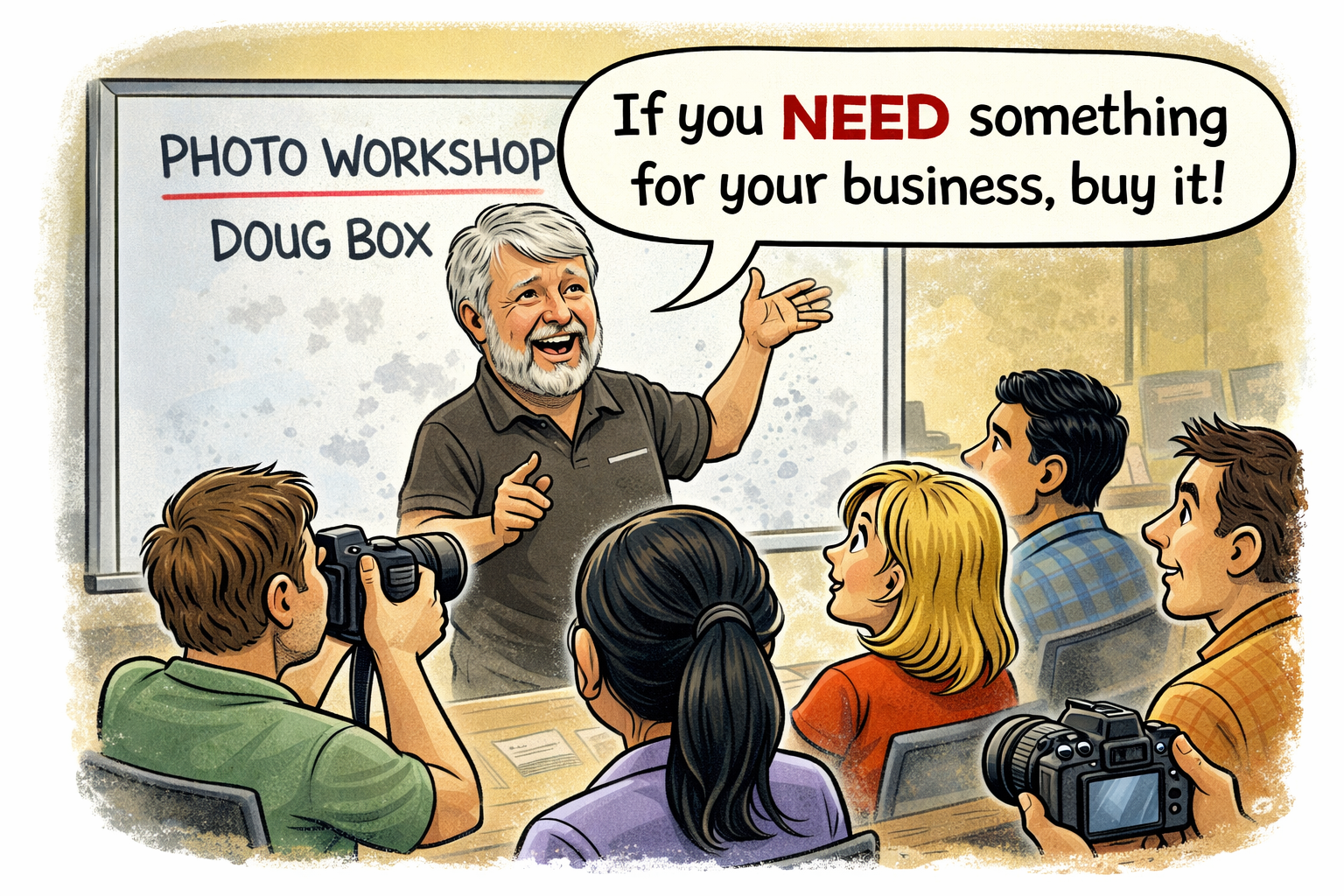
When I was first starting my career, I attended a workshop taught by the great Doug Box. Doug is a terrific photographer, a terrific teacher, and one of those people who has a way of saying things that stick with you for years. During the workshop he said something along the lines of: “If you need something for your business, just buy it.” At the time that sounded like terrific advice. And honestly, it is.
Over the years I’ve repeated that little mantra to myself many times. When I wanted to upgrade a camera. When I wanted better lighting. When a piece of equipment would clearly make my work better or my workflow smoother.
And yes, when I was looking at props.
But the part of Doug’s advice that I didn’t think about enough early on was that the most important words in his statement were not 'If you want' they were 'If you NEED'.
Photographers Love Props
Let’s be honest. Props are fun.
Walk into a Hobby Lobby or browse through eBay and it’s easy to start imagining all kinds of photos you could create. That old suitcase would look great in a travel-themed shoot. That vintage chair would be perfect for one senior. That retro microphone would look amazing for the singer who’s coming in next week. Before you know it, you’re at the checkout counter with an armful of “creative inspiration.”
And somewhere in the back of your mind a little voice asks: Why does it feel like I’m always buying things for my business but somehow not making any money?
Props can quietly become one of the easiest ways for photographers to spend money without realizing how much they’re actually spending. |
Ask Yourself One Question When you’re thinking about buying a prop, ask yourself one simple question: Am I going to use this more than once? Some props are incredibly versatile. Things like: -
sports balls
- hats
- sunglasses
- chairs or stools
These can be used again and again across dozens of sessions. They’re flexible and easy to incorporate into different shoots. But some props are very specific. For example, imagine spending $200 on a retro microphone because you have a singer coming in for a session. It sounds like a fun idea, and maybe it will make a great photo. But then the real question becomes: Are you actually going to pull out that same microphone every time a singer walks in the door? Or are you going to find yourself thinking, Well, I don’t want this next session to look exactly the same… maybe I should get a different vintage microphone.
Now you’re buying props to avoid repeating props and that’s a slippery slope.
The Accountant in Me
Before photography I spent 25 years as an accountant, so I’ll admit it, I’m probably a little less fun about this stuff than most people. But I wince a little when I see photographers buying large collections of props while their businesses aren’t producing the kinds of profits they should be.
It’s surprisingly easy to spend hundreds, even thousands of dollars on props over the course of a year. And sometimes that money is coming out of the same pot that should be paying you.
That’s when props stop being fun and start becoming a problem.
The Hidden Cost Nobody Thinks About
There’s another cost that rarely gets mentioned. Where are you putting all this stuff? Space costs money.
Studio space costs money. Storage space costs money. Even space in your home has value. If you’re filling shelves, closets, and storage bins with props you use once every couple of years, that space isn’t really working for you. It’s just holding things.
Props Should Work for You
None of this means you shouldn’t have props.
The right props can absolutely enhance a photo and help tell a story. They can add personality to a session and make images feel unique to that senior. But props should be tools, not collectibles. Before buying a prop, ask yourself a few simple questions: - Will I use this multiple times?
-
Does it work for more than one type of session?
- Is it improving the photo, or just adding “stuff”?
- Would I rather have this prop, or the money in my pocket?
The Bottom Line
Doug Box’s advice was good... If you NEED something for your business, buy it. Just don’t forget the most important word in that sentence... NEED. |
Each week, I’m spotlighting one standout image from the thousands of senior photos we’ve featured over the years — in the magazine, on Instagram, and beyond. Whether it’s the light, the vibe, or just that unexplainable something, these are the images that made me stop and say, “Wow.” |
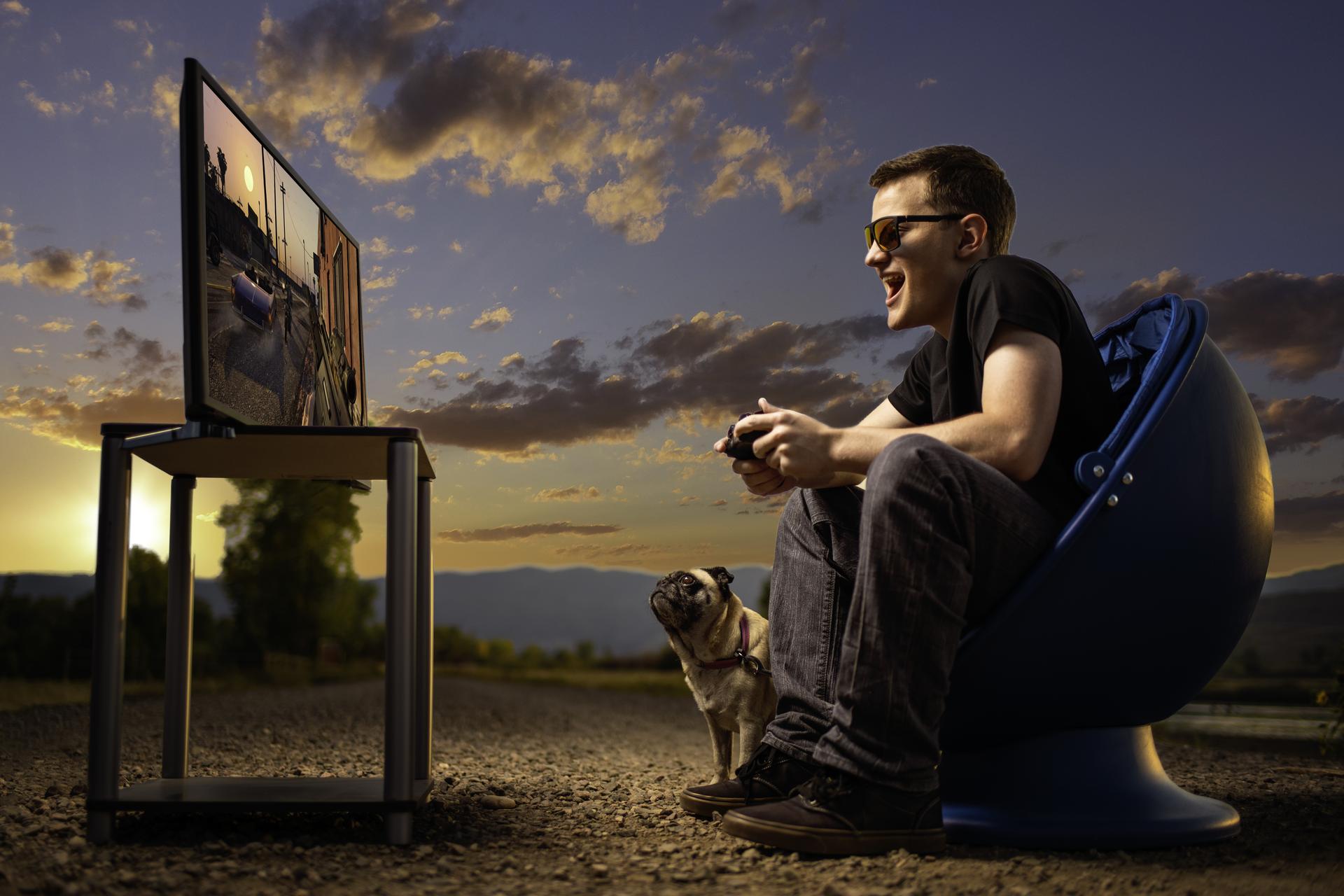
This week’s Why I Love This Image comes from Denver photographer Dawn Sparks, and it originally appeared as one of our Photographers I'd Like to Follow award winners in the 2021 issue of SeniorInspire the Magazine. The moment you see it, you can’t help but smile. This is one of those images that reminds you photography doesn’t always have to be serious to be great. Sometimes the best images are simply the ones that make you feel something. In this case, that feeling is pure fun.
The concept alone deserves some applause. A senior sitting outside in the middle of what looks like a scenic Colorado landscape, fully immersed in a video game while playing on a giant TV set up in the middle of nowhere, is just wonderfully absurd in the best possible way. It’s playful, unexpected, and instantly engaging. The kind of idea that makes you stop and think, “Why didn’t I think of that?” The creativity behind the concept is strong, but what really makes it work is the commitment to the scene. Dawn doesn’t just hint at the idea. She goes all in.
Then there’s the lighting, which is nothing short of fantastic. The warm sunset sky creates a beautiful natural backdrop, while the light on the subject is perfectly controlled. The balance between the dramatic sky and the illumination on the senior keeps the entire scene cohesive. Nothing is blown out, nothing feels muddy, and the colors in the clouds add just the right amount of atmosphere. It feels cinematic, almost like a still frame from a movie about a kid who simply cannot stop playing his game.
And speaking of the senior, let’s give him some credit. Boys are not always the easiest subjects to photograph, especially when you’re asking them to lean into a concept. But this kid absolutely nails it. His expression is perfect. He looks completely locked into the game, mid-reaction, like he just pulled off some epic move and is about to celebrate. It feels natural, not forced. That authenticity is what sells the image.
The casual styling helps tell the story too. The simple black shirt, jeans, sneakers, and sunglasses make him look like exactly who he is: a teenager hanging out and doing something he loves. Nothing about the wardrobe tries to compete with the concept. Instead, it supports it. Sometimes the smartest styling choice is simply letting the subject be themselves. Now let’s talk about the real scene-stealer.
Best supporting actor goes to the pug sitting at his feet. The dog’s expression is priceless. While the senior is completely absorbed in the game, the dog is staring up at the TV with what can only be described as icy concentration. It’s the kind of detail that elevates the image from clever to unforgettable. The dog adds humor, personality, and just enough chaos to make the scene feel alive. Compositionally, the setup works beautifully. The TV screen anchors the left side of the frame, the senior balances the right, and the landscape stretches behind them to give the image depth. Everything leads your eye naturally through the story being told. It’s creative, it’s technically strong, and most importantly, it’s fun. And sometimes fun is exactly what a great senior portrait should be. So yeah, that’s why I love this image. |
|
|
Are you teaching a workshop on the horizon, I’d love to help you spread the word. NO CHARGE - No strings.
Just send me the details and a graphic, and I’ll get it in front of a bunch of senior photographers who might want in.
SeniorInspire the Newsletter goes out to about 2,500 senior photographers across the country, and nearly half of them actually open it (the rest are slackers who probably don't go to workshops either).
Anyway, just reply to this email with the details and a graphic, and I’ll get it in front of a bunch of senior photographers who might just want in.
Simple as that. |
If you made it this far and have any opinions or ideas I'd love to hear it. Good, bad, whatever. Just hit reply or send me an email and let me know what you think. I love the feedback! |
Thanks for reading all the way to the end. That was a long one, so if you’re still here I appreciate it.
Before we sign off, just one more quick reminder that Start Smart: The Senior Photography Business Guide I Wish I’d Had will officially be released on April 4th. After almost a year of writing, editing, and second-guessing myself, it’s exciting to finally see the finish line coming into view. I’ll be sharing more details as we get closer.
That also makes this week’s Tune of the Week pretty obvious: “Start Me Up” by The Rolling Stones. It feels like the perfect soundtrack for kicking off something new.
🎧 Start Me Up – The Rolling Stones See you next week. Let’s get this thing started. Nick
SeniorInspire |
Like what your read? Forward to a friend.
Not subscribed? Go HERE to get on the list. |
|
|
|