If you can't see this newsletter properly, please click here |
|
|
|
A no-fluff weekly email for senior photographers who want their business to feel intentional instead of accidental. |
Welcome to this week's edition of SeniorInspire the Newsletter!
This week we're tackling two topics that don't usually show up together in the same conversation: retirement planning and overcoming shyness. One is about making sure you have enough money when you're older. The other is about being brave enough to talk to people before you're older. Together, they pretty much cover the entire human experience.
We're also taking a closer look at a beautiful image from Elle Bacon in our Why I Love This Image feature. It's one of those photographs that makes you stop scrolling and start studying all the little details that make it work.
And our Photographer of the Week is Pamela Goble, whose work proves that you don't need to live in a major market to create images that can compete with anyone, anywhere.
So grab your coffee, ignore your to-do list for a few minutes, and let's dive into another week of photography, business, and hopefully a few ideas that make your life a little easier. —Nick |
What Happens When the Camera Gets Heavy? 📸 |
Most photographers spend a lot of time planning for next season.
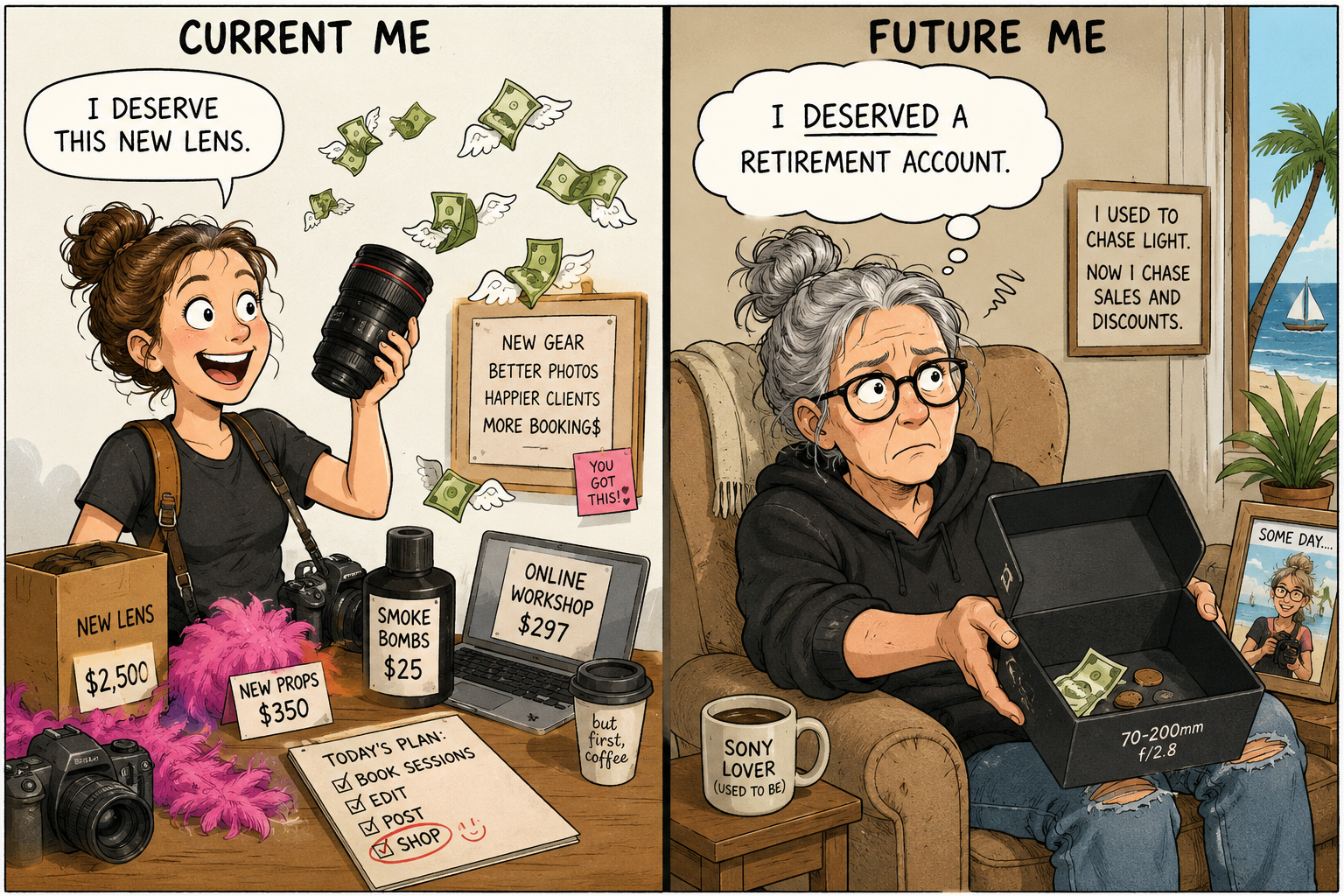
We think about marketing, pricing, senior reps, new locations, and whether we really need that new lens we're currently convincing ourselves is essential.
What we don't spend much time thinking about is retirement.
That's understandable. Retirement feels far away when you're focused on booking seniors for next year. But the truth is that one day you're going to photograph your last senior session. Whether that happens because you're ready to retire, because your interests change, or because carrying camera bags around a field in August no longer sounds like a good time, the day eventually comes for all of us. The question is whether you'll be ready when it does. 💍 Not Every Photographer Starts From the Same Place One of the reasons retirement planning can be confusing is that photographers don't all start from the same place financially. Some photographers have spouses with stable careers, pensions, 401(k)s, health insurance, and other benefits. Others are the primary breadwinner and are responsible for generating most or all of the household income.
Then there are photographers who came into the business after successful careers in another field. Maybe they spent twenty years as a teacher, engineer, nurse, accountant, or business owner and have already accumulated a substantial retirement nest egg before ever photographing their first senior. Those photographers are playing a different game too.
None of these situations are better or worse. They're just different, and those differences matter when you're deciding how much you need to save for the future.
As a starting point, a good rule of thumb is to try to save 10% of your income for retirement. More is usually better if you can manage it, but 10% is a reasonable target for many people.
If you're married or have a partner, don't forget to look at the bigger picture. Retirement planning isn't just about your photography income. It's about your household income. If your spouse is contributing to a 401(k), pension, IRA, or other retirement plan, those savings should absolutely be part of the conversation. The goal isn't necessarily for each person to save 10% individually. The goal is for the household to save enough so that both of you can enjoy the retirement you're hoping for someday.
🌱 The Magic of Starting Early
One of the most powerful financial concepts is also one of the simplest: the time value of money. Imagine these two photographers. Photographer A starts investing $200 per month at age 25 and earns an average annual return of 5%. Photographer B waits until age 45 and decides to invest $400 per month, twice as much as Photographer A's monthly investment.
Who ends up with more money at age 65? Here's where it gets interesting. Assuming both photographers earn an average annual return of 5%, each photographer contributes exactly $96,000 of their own money. Photographer A contributes $200 per month for 40 years, while Photographer B contributes $400 per month for 20 years. Same total investment. Very different result.
By age 65, Photographer A would accumulate roughly $305,000, while Photographer B would end up with about $164,000.
In other words, Photographer A ends up with nearly twice as much money despite contributing the exact same amount over their lifetime. Why? Because Photographer A gave their money an extra twenty years to grow. Even though Photographer B invested twice as much every month during those last twenty years, time was working against them. That's the power of compound interest.
In fact, compound interest is probably the closest thing the financial world has to magic. The earlier you start, the harder your money works for you. |
💰 Social Security Is a Foundation, Not a Plan
Many photographers assume Social Security will take care of retirement. And yes, Social Security will likely be part of the picture for most of us.
The problem is that Social Security was never designed to replace your full working income. It was designed to provide a foundation. For many photographers, that foundation alone isn't going to be enough.
That's especially true if you've spent years reinvesting every extra dollar into: - cameras
- lenses
- props
-
workshops
- software
- marketing
without simultaneously investing in your future. I know it's more exciting to buy a new lens than contribute to a retirement account. Trust me, I've been there.
But you can't photograph senior sessions forever. At least not unless your retirement plan is, "Fingers crossed my knees hold up." 🎯 What Should Photographers Actually Do? The good news is that retirement planning doesn't have to be complicated. A few simple places to start include: -
Sitting down with a financial advisor. Large investment firms like Fidelity and Vanguard offer some of these services for free assuming you're going to invest with them
- Opening a Traditional IRA
- Opening a Roth IRA
- Using a SEP IRA if you're self-employed
- Automating monthly contributions
-
Increasing savings whenever your income increases
- Treating retirement savings like any other important business expense
The most important thing is simply getting started.
You don't need to save thousands of dollars every month. In the beginning, the habit is often more important than the amount.
A photographer who consistently saves $100 a month will almost always be better off than the photographer who plans to save someday but never gets around to it. 🌅 The Real Goal Retirement isn't really about money. Money is simply the tool. The real goal is options. It's the ability to decide: - when you work
- how much you work
- whether you work at all
The photographers who have those options later in life are usually the ones who started planning much earlier than they thought they needed to.
The Bottom Line
One day you'll photograph your last senior session. The question isn't whether that day will come. The question is whether you'll be ready for it when it does. |
|
|
|
Each week, I’m spotlighting one standout image from the thousands of senior photos we’ve featured over the years — in the magazine, on Instagram, and beyond. Whether it’s the light, the vibe, or just that unexplainable something, these are the images that made me stop and say, “Wow.” |
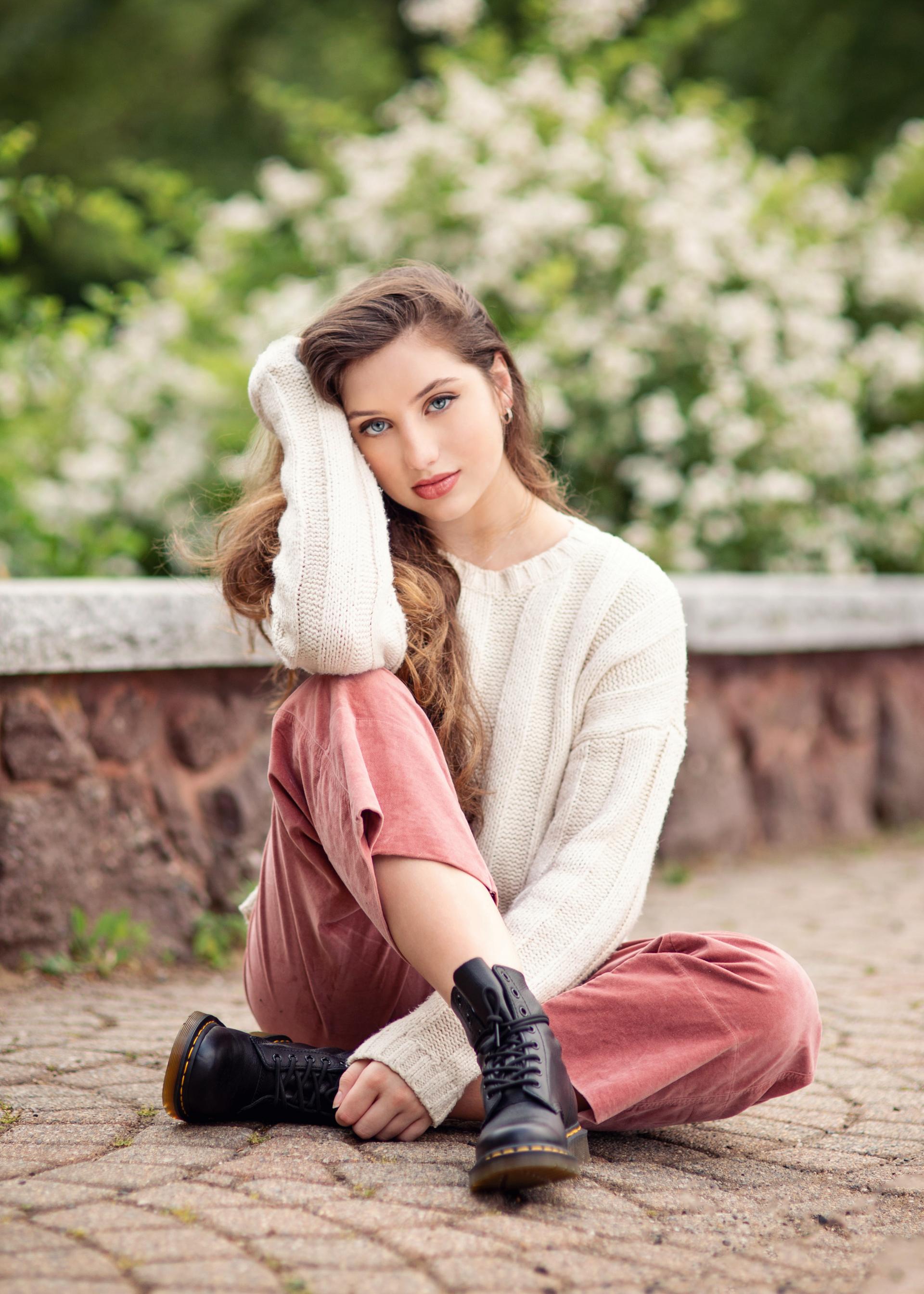
This week’s Why I Love This Image comes from Elle Bacon of Beck Photo, and it was one of the winners from our 2021 Photographers I’d Like to Follow contest. Looking back through past winners is always fun because it reminds me just how many talented photographers have passed through the SeniorInspire community over the years. This image is a perfect example of why Elle’s work stood out. The first thing that caught my eye was the senior’s expression. Soft. Quiet. Thoughtful. Demure.
In fact, I actually looked up the definition of demure just to make sure I was using the word correctly. The dictionary didn’t include this image as an example, but honestly, it probably could have.
Everything about her expression feels gentle and understated. She isn’t trying to command attention. She isn’t giving us a fierce stare or a dramatic pose. Instead, she invites you into the image with a calm confidence that feels completely natural. It’s the kind of expression that photographers spend entire sessions trying to capture. Of course, the hair and makeup deserve plenty of credit as well. They are absolutely beautiful, but more importantly, they fit the mood of the image perfectly. Nothing feels overdone. Her hair falls naturally around her face, and the makeup enhances her features without becoming the focus. The result is polished, elegant, and timeless.
I also love the color palette throughout the image. The muted pink pants, cream sweater, earthy stone wall, and soft greenery all work together beautifully. There are no loud colors fighting for attention. Every tone feels intentional, creating a sense of harmony that allows the viewer to focus on the senior herself.
The styling is where this image really becomes memorable for me.
At first glance, she has a very feminine look. The soft sweater, flowing hair, delicate makeup, and gentle expression all contribute to that feeling. Then your eyes drop down to those combat boots.
Perfect!!
That little bit of contrast changes everything. The boots add personality and just a hint of rebellion to an otherwise soft portrait. They tell us there's more to this senior than meets the eye. It's a reminder that the best portraits often reveal multiple sides of someone's personality rather than reducing them to a single stereotype. Compositionally, the image is strong as well. The seated pose creates natural leading lines that guide your eyes toward her face, while the shallow depth of field keeps the background soft and unobtrusive. The flowering bushes behind her add texture and beauty without becoming distracting. Everything works together to support the subject. And finally, let's talk about the lighting. It's soft, flattering, and beautifully controlled. There are no harsh shadows competing for attention. Just clean, natural light that complements the overall mood of the portrait.
Some images impress you with elaborate concepts. Others impress you with technical wizardry. This one succeeds because it feels authentic. It captures a senior who appears comfortable in her own skin, and that authenticity is what makes the image linger in your memory long after you've looked away. So yeah, that’s why I love this image. |
This Week’s Question:
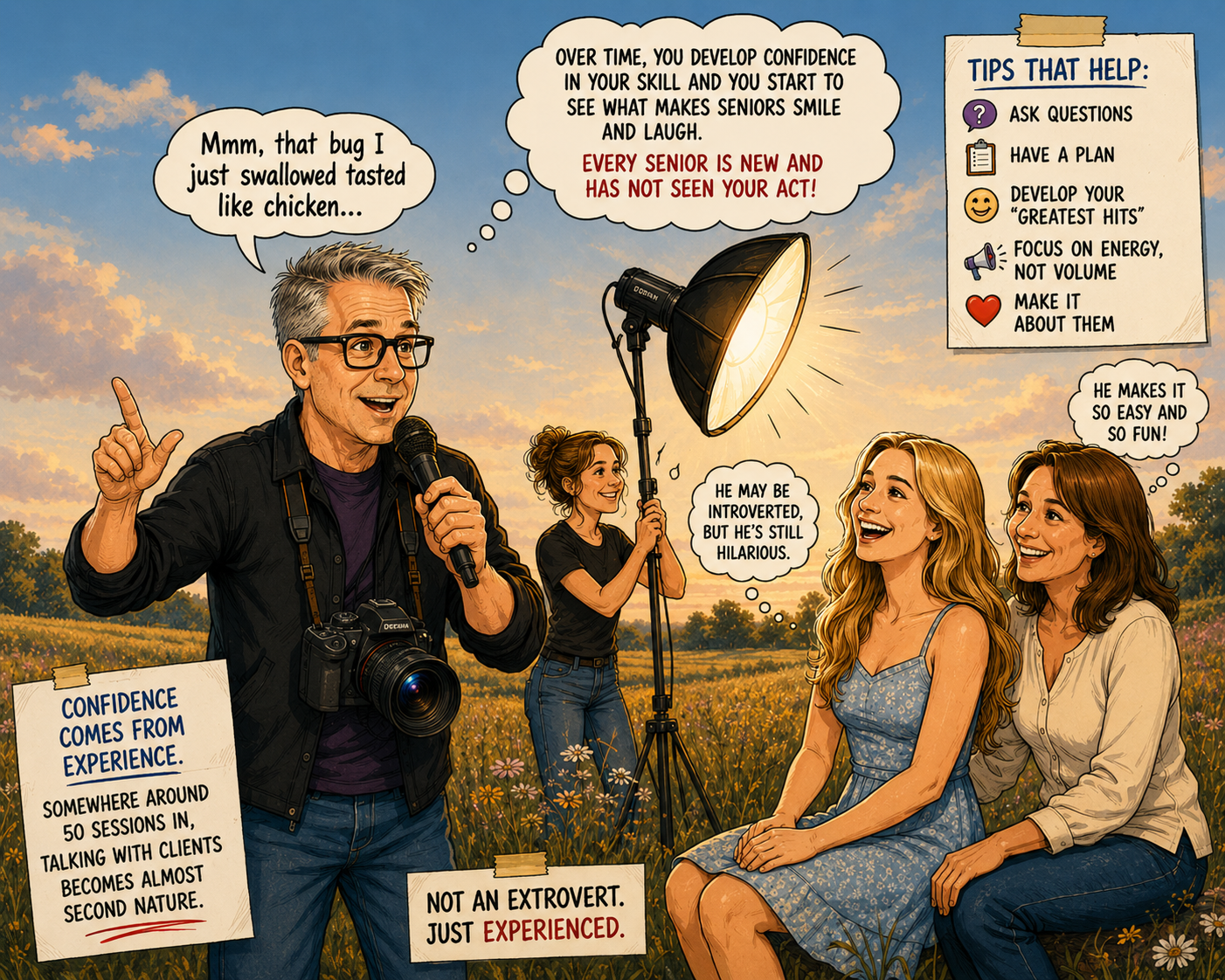
I’m extremely introverted. What are some tricks I can use to appear like an extroverted photographer to my clients? |
This question hits close to home because I’m naturally very introverted myself.
In fact, if you had met me before I became a photographer, "outgoing" is probably not a word anyone would have used to describe me. I was perfectly happy sitting behind a desk as an accountant, working with spreadsheets and interacting with people in manageable doses. Then I decided to become a senior photographer, which turned out to be a profession where you're constantly meeting strangers and trying to make them feel comfortable in front of a camera. Not exactly the obvious career path for an introvert.
The good news is that I don't think you actually have to become an extrovert to be successful. What you need to do is learn how to project confidence and positive energy for a couple of hours at a time. Those are very different things.
In the beginning, I felt awkward constantly. Every direction sounded forced. Every joke felt rehearsed. Every camera setting change I made felt like it was taking tens of minutes instead of seconds.
Over time, though, something changes.
As your photography skills improve, your confidence naturally improves along with them. When you're no longer worried about whether the exposure is right or whether you're standing in the best location, you can devote more of your attention to the person standing in front of your camera. That confidence is what clients respond to. Most seniors can't tell whether you're introverted or extroverted. They can tell whether you seem comfortable and in control.
You'll often hear people say it takes 1,000 hours to master a new skill. Photography may very well be one of those things, but the good news is you don't need 1,000 hours to start feeling comfortable with your clients.
In my experience, somewhere around 50 sessions in, things begin to click. You stop overthinking every conversation. You stop worrying about every pause in the interaction. You start recognizing situations you've seen before and naturally know how to respond.
At that point, talking with seniors becomes much more natural. Not because you've suddenly become an extrovert, but because you've built enough experience that you're no longer trying to figure everything out in real time.
🎤 Ask Questions One of the easiest ways to appear outgoing is to get the other person talking.
Ask about sports, hobbies, college plans, jobs, pets, favorite classes, or whatever else they're interested in. People generally enjoy talking about themselves, and the more they talk, the less pressure there is on you to carry the entire conversation.
The added bonus is that you'll often discover things you can work into the session later. If a senior lights up talking about volleyball, her dog, or her dream college, you've just found a topic that can help create more genuine expressions throughout the shoot. |
📋 Have a Plan Awkwardness often comes from uncertainty. When you know where you're shooting, what poses you're going to start with, and where you're heading next, you naturally come across as more confident. You don't need every minute of the session scripted, but having a loose plan removes a lot of the stress that introverted photographers feel. Many times what feels like social anxiety is really just uncertainty about what comes next.
😄 Develop Your Own "Greatest Hits" As you gain experience, you'll start collecting little jokes, comments, favorite poses, and prompts that consistently work. For years, whenever I had a senior wade into water, I'd ask them to kick some water up behind them. Then I'd say, "Act like kicking that water is the most fun you've ever had in your life."
I'd deliver the line with a sarcastic tone and a dramatic eye roll. The senior would almost always laugh while kicking that water because we both knew kicking water wasn't exactly the highlight of their life, but we'd get a great image out of it.
In fact, I used that line so often that one day I didn't say it fast enough and my assistant beat me to it.
The funny thing is that photographers worry they're repeating themselves. You are definitely repeating yourself. But your clients aren't watching every session you shoot. Every senior is seeing your act for the first time, so don't be afraid to use your greatest hits. 🔊 Focus on Energy, Not Volume A lot of introverts think they need to become louder to be successful. You don't. Clients respond much more to positive energy than sheer volume. You can be calm, friendly, encouraging, and engaging without turning yourself into a game-show host. Some of the most successful senior photographers I know are actually fairly quiet people. What they do exceptionally well is make their clients feel comfortable.
🎯 Make It About Them The biggest shift for me came when I stopped worrying about how I was coming across and started focusing entirely on the senior. The more your attention is on helping them feel comfortable, the less time you spend analyzing yourself. Ironically, that's usually when people start perceiving you as confident.
Most seniors aren't wondering whether you're introverted. They're wondering if they look awkward, if their hair is behaving, and whether they're doing a good job. Help them through those concerns and they'll leave thinking you were great.
Final Thought If you're introverted, don't worry about becoming the life of the party. Most successful photographers aren't. What clients really want is someone who makes them feel comfortable, confident, and seen. That comes from preparation, experience, and genuinely caring about the person in front of your camera. And if a former accountant was able to develop a comfortable schtick full of dopey one-liners and repeatable poses, you can pull it off too... |
Have a burning question you want answered in a future column? Head over to www.seniorinspire.com/asknick. I’ll be there manning the phones and waiting for your questions... |
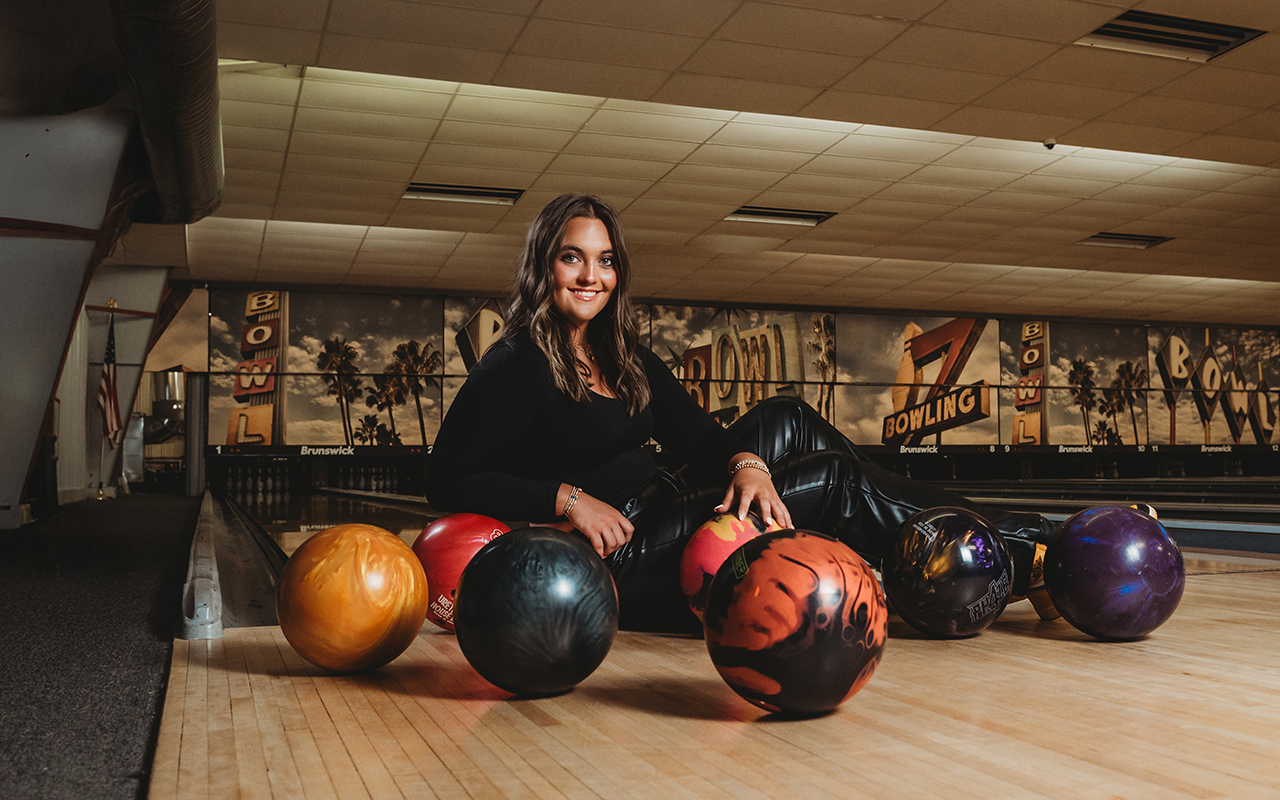
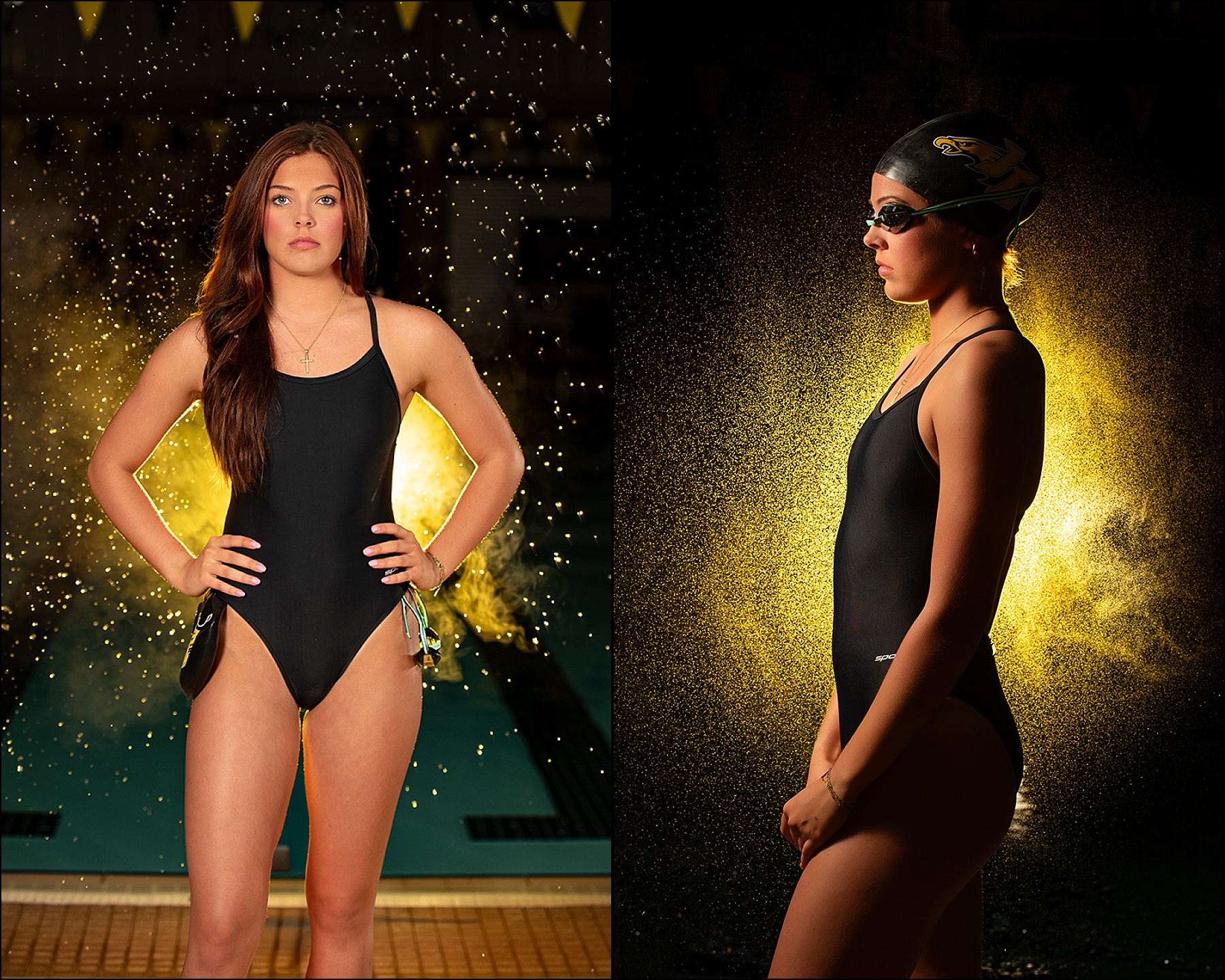
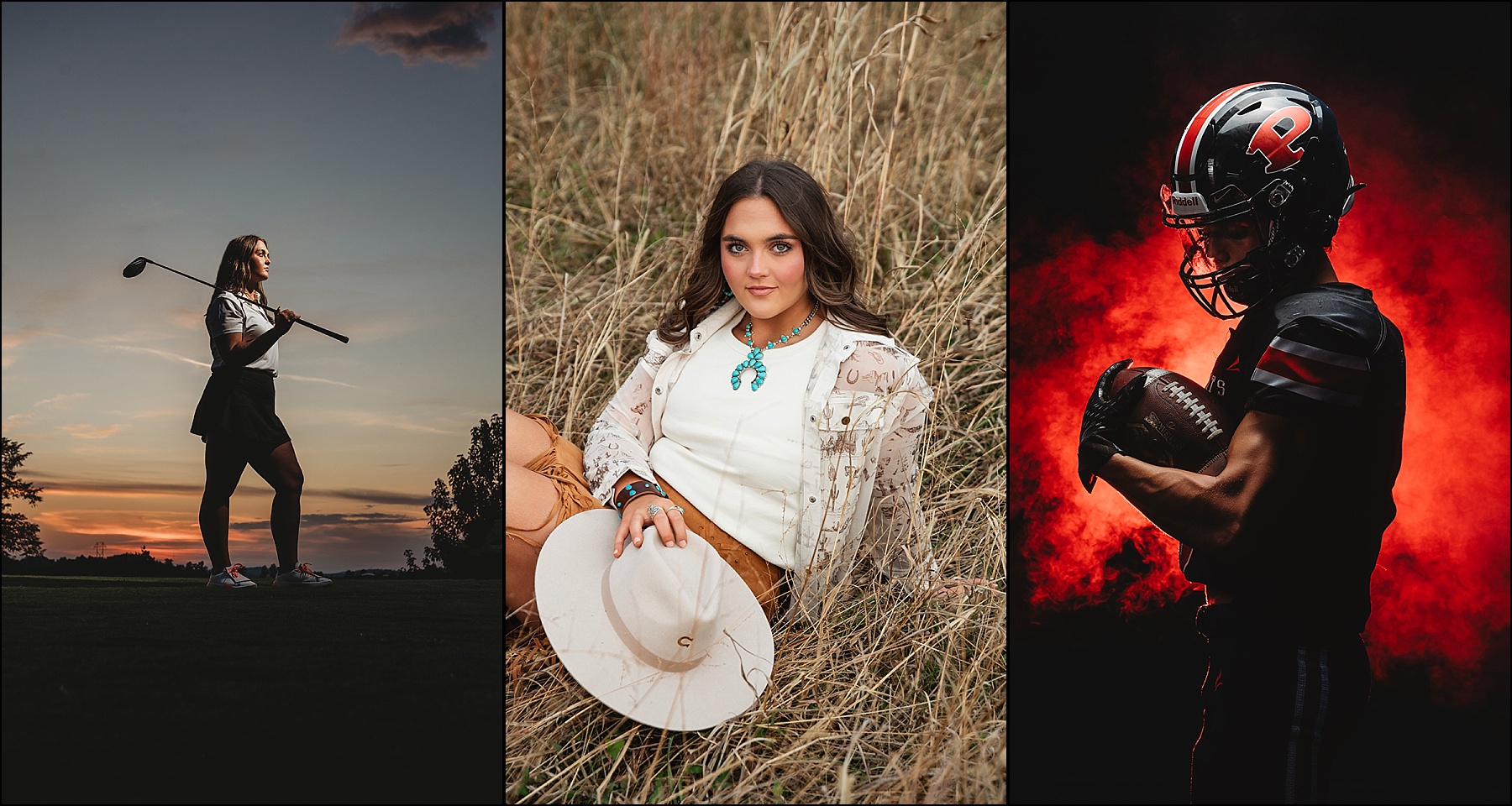
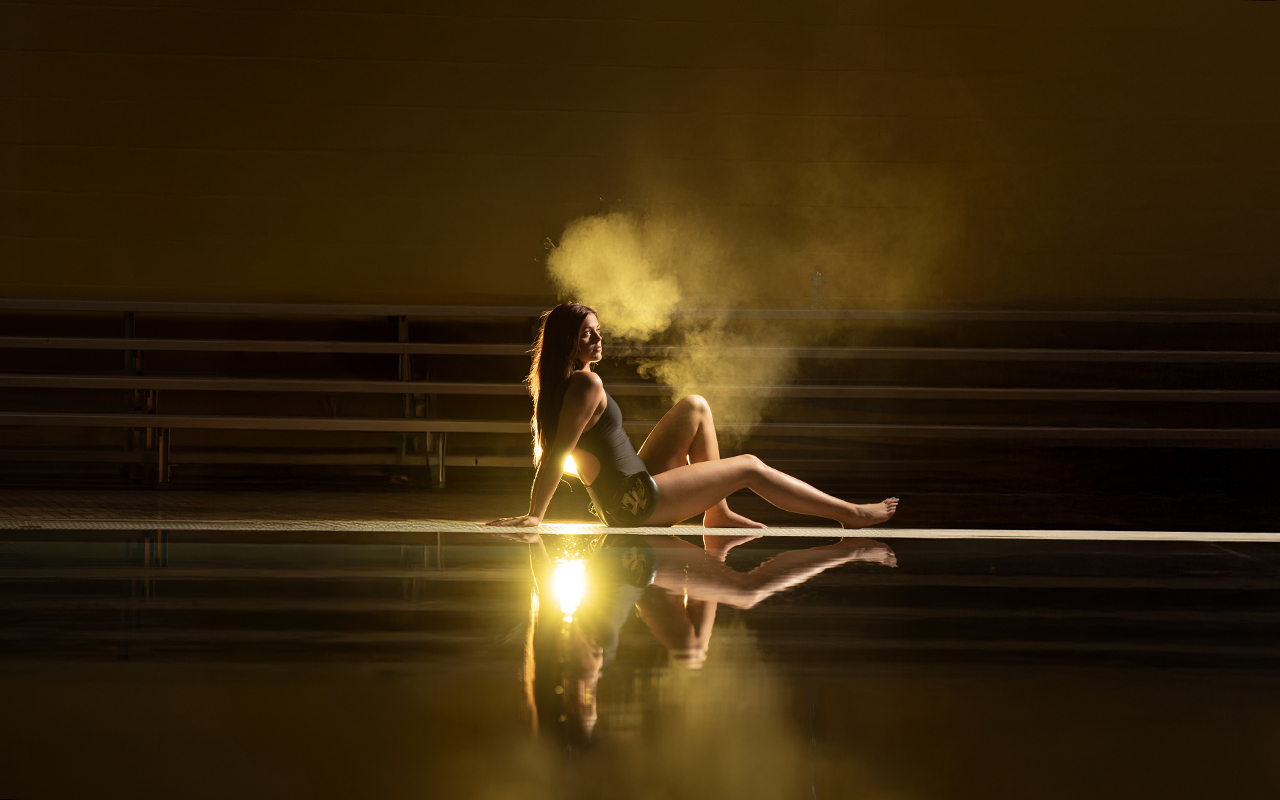
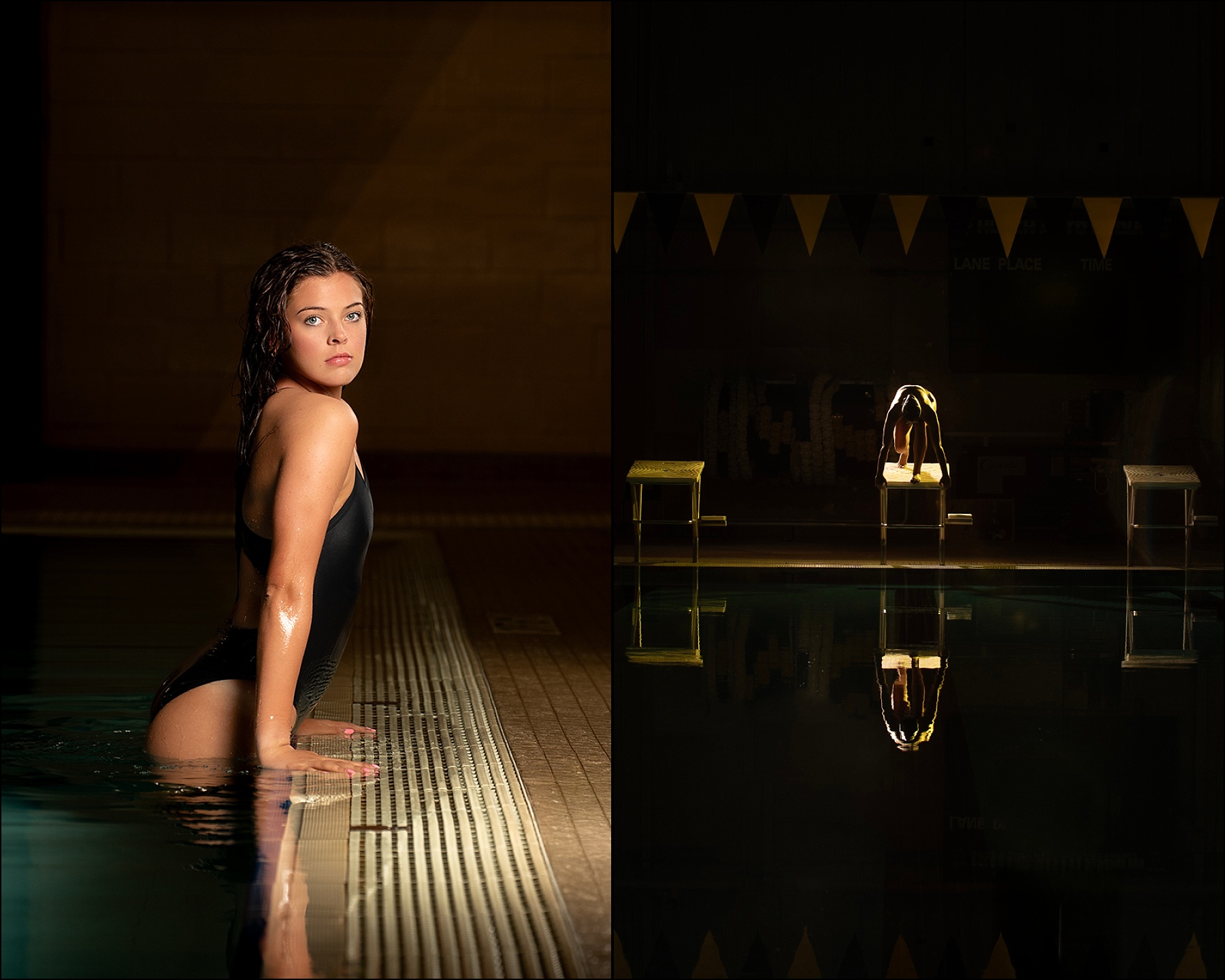
This week’s Photographer of the Week is Pamela Goble from Paintsville, Kentucky.
I have to admit, Pamela is a photographer whose work I wasn’t very familiar with until she submitted for Photographer of the Week. One of the things I’ve enjoyed most about this feature is discovering photographers who may have been flying under my radar, and Pamela is a perfect example. After spending some time looking through her work, I can honestly say I hope to see a lot more of it in the future. I think you’ll enjoy it as much as I did.
Take a look at the images we’re sharing this week and get to know Pamela a little better in her bio below. |
Hi, I’m Pamela Goble. Based in Paintsville, Kentucky, I’ve been capturing life’s most meaningful moments through photography since 2018. What started as a passion quickly grew into a business built around storytelling, connection, and creating images that feel both timeless and unforgettable. I specialize in seniors, babies, and weddings, with a style that blends bold imagery with genuine emotion. My goal is always to create photographs that not only stand out today, but will still feel beautiful and meaningful decades from now. As a photographer, I believe the experience matters just as much as the final images. I focus on making sessions feel relaxed, natural, and fun while still delivering polished, professional artwork that clients are proud to display. I love creating a variety of imagery that reflects each client’s personality and story. Being rooted in Eastern Kentucky has shaped so much of who I am creatively, and I’m passionate about serving my community while also bringing a modern, editorial touch to every session I photograph. |
Hey! Want to be considered for our Photographer of the Week feature? Head to www.seniorinspire.com/potw and submit your work. Remember, you don’t have to be the loudest. You don’t have to have the biggest following. You just have to be doing good work and willing to share it. |
|
|
|
Thanks for reading all the way to the end. I appreciate you spending part of your week with me.
This week we talked about two things that make a lot of photographers uncomfortable: talking to strangers and thinking about retirement. One requires walking up to people and starting conversations. The other requires opening an account and admitting that someday you might actually stop photographing people. Neither comes naturally to most of us.
The good news is that both get easier once you start. A shy photographer can learn to connect with clients. And a photographer with no retirement plan can become a photographer with a retirement plan. The hardest part is usually the first step.
And if you're still putting both off, just remember: Future You is counting on Present You to be at least a little less awkward. See you next week. 📸 Nick
SeniorInspire |
One last thing before we go... If you made it this far and have any opinions or ideas I'd love to hear it. Good, bad, whatever. Just hit reply or send me an email and let me know what you think. I love the feedback! |
Like what your read? Forward to a friend.
Not subscribed? Go HERE to get on the list. |
|
|
|
|