If you can't see this newsletter properly, please click here |
|
|
A no-fluff weekly email for senior photographers who want their business to feel intentional instead of accidental. |
|
|
Welcome to this week’s edition of SeniorInspire the Newsletter!
Let this serve as your official wake-up call... there’s just one week left to submit your images for this year’s Photographers I’d Like to Follow contest. At the end of the day on February 8th, the doors will close, the lights will shut off, and your chance to be featured will quietly pack up and leave the building. Don't be the person refreshing the page the next morning, wondering where the submit button went.
Head over to our contest page for all the details and get your images in. The sooner you do, the easier you'll be able to sleep. Now, onto this week’s issue...
We’re discussing two questions every senior photographer wrestles with at some point: Are my prices too low? and How many images should I be showing my clients?
We’re also introducing our Mentor of the Week, Morgan Lenard of Onyx and Ivory, and featuring an image I absolutely love from Melissa Burns that will jump off the page and into your heart.
Let’s get into it! —Nick |
This Week’s Question:
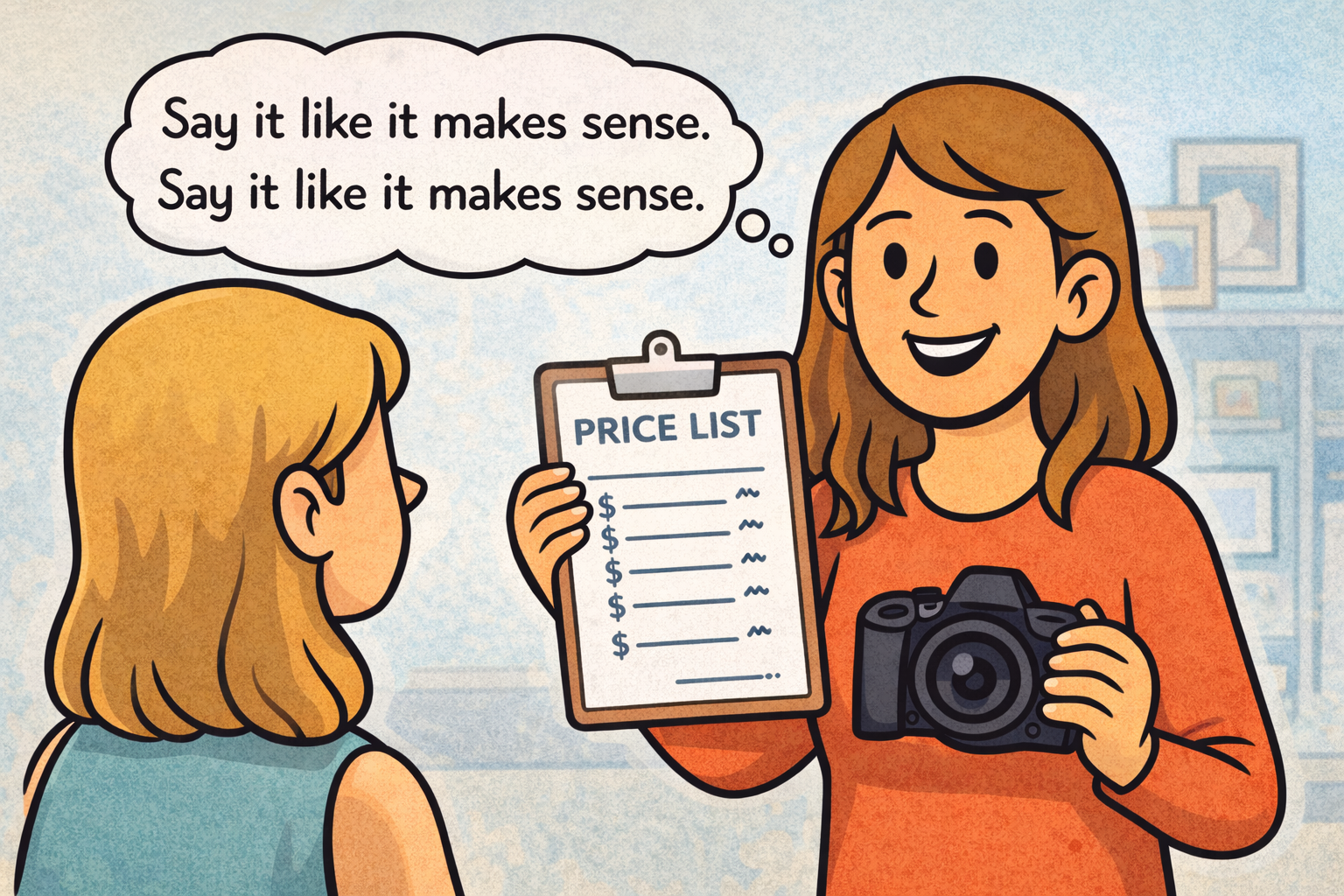
How do I know if my prices are actually too low, or if I just don’t have enough confidence yet? |
Let me start with a story. My very first paid photo session was a small family shoot. Everything went fine. No disasters, no crying kids, no corrupted memory cards. A win.
A week later, I went to their house for the ordering session, laptop in hand, doing my best to act like this was a totally normal thing I did all the time. When it was over, I walked away with a $175 order.
At the time, I was thrilled. Not because of the money, but because the uncomfortable part was over. I was out of their house. Everyone was happy. I could finally exhale.
Back home, I had some distance from the moment and that's when reality set in.
Once I backed out printing costs and started thinking about how many sessions I’d have to shoot at $175 each to make anything resembling a living, it became painfully clear that something had to change.
And that’s where this question really lives.
When pricing feels uncomfortable, it’s tempting to assume the problem is confidence. Sometimes it is. But sometimes the math is already trying to get your attention.
One of the hardest parts of pricing is that two very different issues tend to get tangled together. Prices that are genuinely too low, and confidence that hasn’t caught up yet. Solving the wrong one leads to frustration fast. |
Signs your pricing may actually be too low This isn’t about feelings. It’s about sustainability. -
You’re booking sessions, but there’s very little left over after expenses
- You need a high volume of shoots just to stay afloat
- Reinvesting in your business feels risky or impossible
- Paying yourself consistently feels optional
- You avoid doing the math because you already know the answer
If this sounds familiar, the discomfort you’re feeling isn’t self-doubt. It’s your business model waving a red flag. The math isn't mathing. Signs pricing feels wrong because confidence is lagging
Sometimes the numbers make sense, but you don’t trust them yet. - You rush through pricing explanations
- You apologize or soften prices before anyone reacts
-
You discount preemptively “just in case”
- You assume rejection before the client has time to process
- You feel confident about your work, until money enters the conversation
In these cases, the issue isn’t the price. It’s the delivery.
Where things get tricky is the middle ground. A lot of photographers raise prices hoping confidence will magically appear. Occasionally it does. Often it doesn’t. Without clarity and structure, higher prices can actually make the anxiety louder, not quieter.
Real confidence doesn’t come from charging more. It comes from understanding why you charge what you do and trusting that it supports the business you’re building. Confidence isn’t a personality trait. It’s earned through experience, repetition, and systems that work. Looking back, my confidence didn’t come from that first $175 sale. It came from realizing the math mattered, learning how to run the numbers, and making intentional changes instead of guessing my way forward. If you’re trying to figure out where you land, ask yourself a few simple questions: - Do my prices support the business I want, or just my comfort level?
-
If I doubled my bookings tomorrow, would my stress go down or up?
- Am I avoiding the math because it’s complicated, or because I’m afraid of what it might tell me?
Those answers usually point you in the right direction.
And if pricing, especially the math behind it, is something you really struggle with, keep an eye out. We’ve got a pricing-focused book coming soon designed to help photographers stop guessing and start understanding what their numbers are actually telling them.
Because confidence grows when pricing makes sense. Not the other way around. |
Have a burning question you want answered in a future column? Head over to www.seniorinspire.com/asknick. I’ll be there manning the phones and waiting for your questions... |
Each week, I’m spotlighting one standout image from the thousands of senior photos we’ve featured over the years — in the magazine, on Instagram, and beyond. Whether it’s the light, the vibe, or just that unexplainable something, these are the images that made me stop and say, “Wow.” |
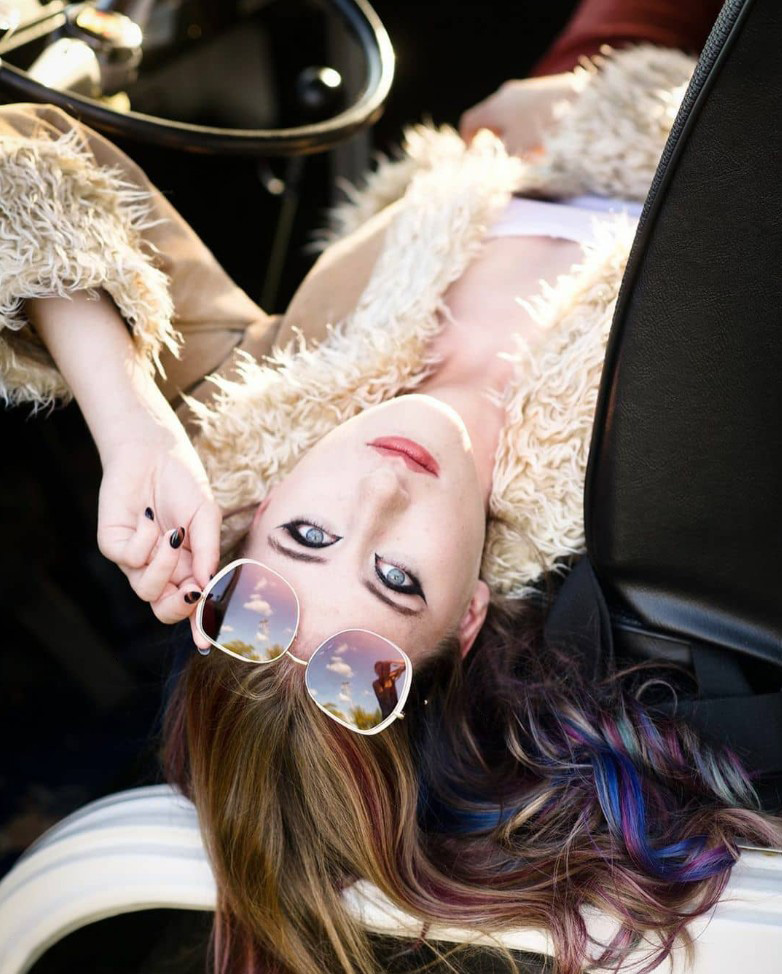
This image from Austin, Texas photographer Melissa Burns was featured on our Instagram page in October 2021, and it still hits with the same punch it did the first time around. There's something about the way it combines a retro vibe with a modern edge that feels bold without being loud, cool without trying too hard.
Right away, what grabs you is the senior's expression. Her eyes lock in and don’t let go. The piercing blue combined with the confident, almost cinematic stare gives this image serious impact. It's the kind of portrait that feels like it belongs on a movie poster or an album cover. And it’s not just her gaze that does the work. Her entire expression walks the line between laid-back and totally in control. It’s effortless but commanding.
Styling plays a big role here too. The faux fur jacket, the oversized sunglasses, the peek of white top underneath... it all leans into a retro energy that works perfectly with the setting. The colors in her hair, especially those streaks of purple and blue, bring a playful twist to the vintage feel and keep the image feeling fresh and unexpected.
The way Melissa composed this image adds another layer of interest. Shooting from above, with the senior reclined in what looks like a vintage car, isn’t just a fun angle, it creates drama and draws the viewer right in. The textures from the fur coat, the leather seat, and the natural light bouncing across her face all play together in a way that gives the image depth and richness. It’s tactile. You can almost feel it.
And then there’s the reflection. If you look closely at her sunglasses, you’ll catch the subtle outline of the photographer. Whether intentional or not, that tiny detail feels like an artist's secret signature. It doesn’t distract, but it does add a bit of behind-the-scenes intrigue that makes you appreciate the moment even more. It’s the kind of detail that rewards a second glance and turns the image into more than just a pretty portrait. It becomes a little slice of a story.
Hair and makeup also deserve credit here. The senior’s look is polished without being overdone. The loose waves, vibrant streaks, and bold eyeliner elevate the entire vibe and match the creative energy of the photo perfectly. Every element feels cohesive, and when all those choices line up just right, you get an image that sticks with you. This is one of those portraits where all the small decisions add up to something big. It’s not overly posed or stylized to the point of losing authenticity. Instead, it walks that sweet spot where creativity and connection meet. So yeah, that’s why I love this image. |
How Many Images Should You Really Deliver to Senior Clients
(And Why Everyone Gives a Different Answer)
|
If you’ve ever asked a group of photographers how many images you should deliver to a senior client, you already know how this goes. Ask ten photographers, get ten different answers. And somehow, everyone sounds very confident that their answer is the right one.
You’ll hear everything from “show them everything you shoot” to “never show more than twenty images” to “the more you show, the more they’ll buy.” And while all of those answers can work, they’re not universally right. The real problem is that we’re asking the wrong question.
The question isn’t how many images can you deliver. The question is what job those images are supposed to do.
Are they there to wow your client emotionally. Speed up your ordering session. Increase your average sale. Reduce decision fatigue. Or all of the above. Because the number of images you show directly affects every single one of those things.
For me, after a lot of trial and error, I found that around 50 images from a two-hour/four outfit senior session was the sweet spot.
When I showed a lot fewer than that, clients would start wondering what they weren’t seeing. Even if all the images were strong, there was always this lingering sense of, “What about the one by the duck pond?”
When I showed a bunch more than that, the opposite happened. In-person ordering sessions slowed to a crawl. Parents and seniors would debate tiny differences between images, and what should have been a focused, confident decision-making process turned into a long comparison exercise. Fifty images felt like enough variety to feel complete, without becoming overwhelming.
But the number itself wasn’t the most important part. The curation was.
One rule I stuck to very deliberately was that every image had to earn its place. I tried hard to make sure each photograph felt unique, not just technically different. That meant different expressions, different energy, different moments.
What I didn’t do was show five versions of the same pose just because I shot them.
Yes, sometimes I photographed a senior looking left, looking right, looking at the camera, looking down, touching their face. That’s part of the process. But I chose the strongest, most flattering version of that series and showed just that one image.
My philosophy was simple. I’m the professional. Choosing the best image is part of the service.
The same thing applied to color versus black and white. I didn’t show both versions and ask clients to decide. I chose the version that worked best emotionally and visually and presented that one.
Again, that wasn’t about control. It was about confidence.
Clients don’t hire us because they want more decisions. They hire us because they trust our eye. Not making them choose between five nearly identical variations is a value add, not a limitation.
In fact, I found that the more decisive I was in my culling, the more confident clients felt in their purchases. When everything on the screen looked intentional, clients spent less time second-guessing and more time connecting emotionally with the images.
On the flip side, too many images almost always led to decision fatigue.
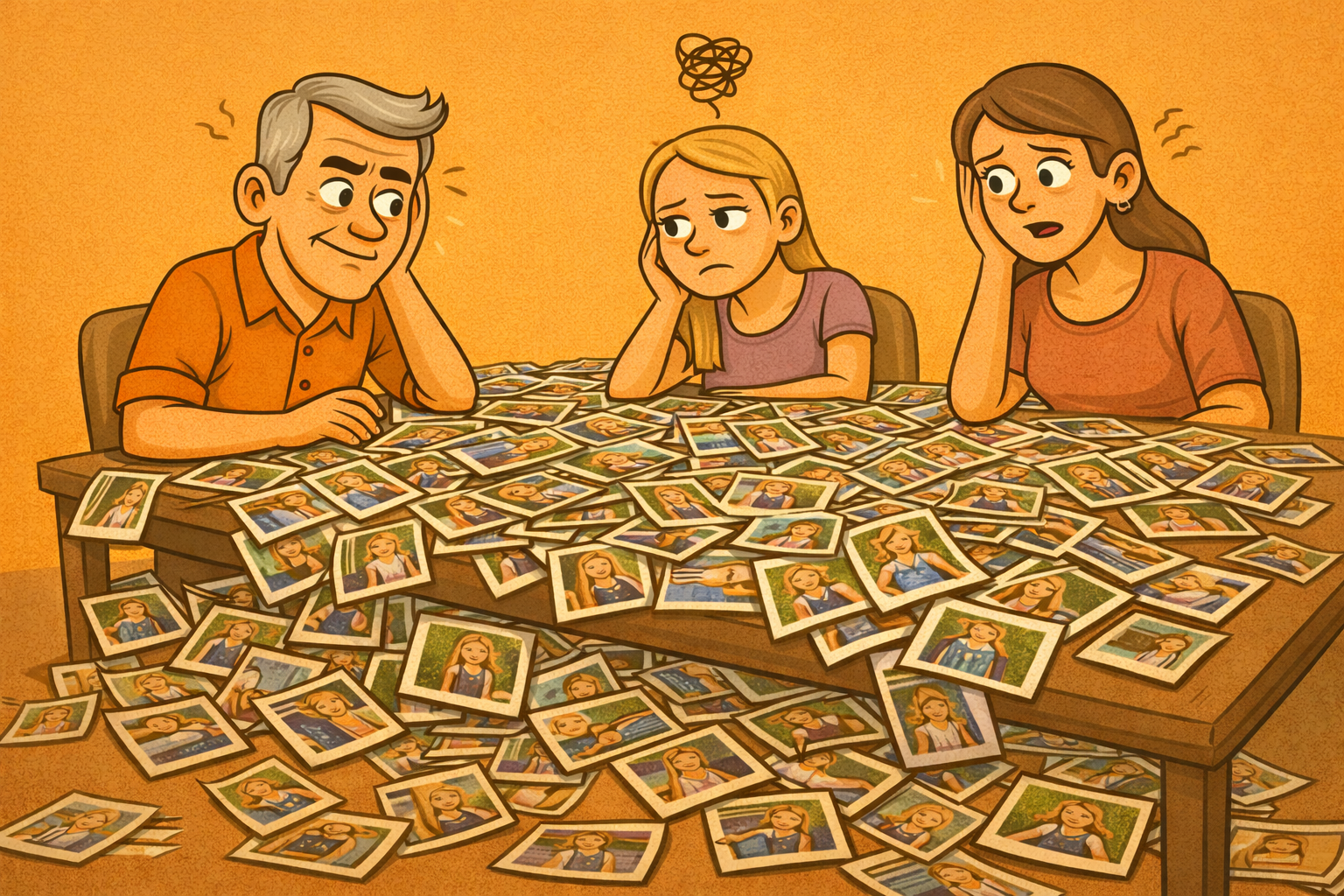
When people are presented with endless options that differ only slightly, their confidence drops. They worry about choosing “wrong.” They stall. They revisit decisions they already made. And suddenly your ordering session has doubled in length without increasing sales. That’s not good for them, and it’s definitely not good for you.
Now, does this mean everyone should show exactly 50 images. Of course not.
Photographers who sell all-digital collections, rely heavily on online galleries, or don’t do in-person ordering may choose to show more. High end, luxury studios may choose to show less to make their work appear more exclusive. Either strategy can work beautifully if it aligns with your model and clients’ expectations. The key is alignment.
Your image count should match how you sell, how you want clients to feel, and how you want your sessions to flow. There’s no prize for showing more images, and there’s no badge of honor for showing fewer.What matters is that your process feels intentional. If you’re unsure where your number should land, here’s a simple place to start. Ask yourself how long you want your ordering sessions to last. Ask whether your clients seem confident or overwhelmed. And ask whether you’re curating an experience or handing them a pile of choices to sort through. Then test it.
Try a month with fewer images. Try one with more. Pay attention to how clients respond, how long ordering sessions take, and how confident people seem when it’s time to buy.
Because at the end of the day, the “right” number of images isn’t something you read on the internet.
It’s the number that creates confident clients, smoother sales, and a better overall experience. And choosing that number thoughtfully is just another way you show your value as a professional. |
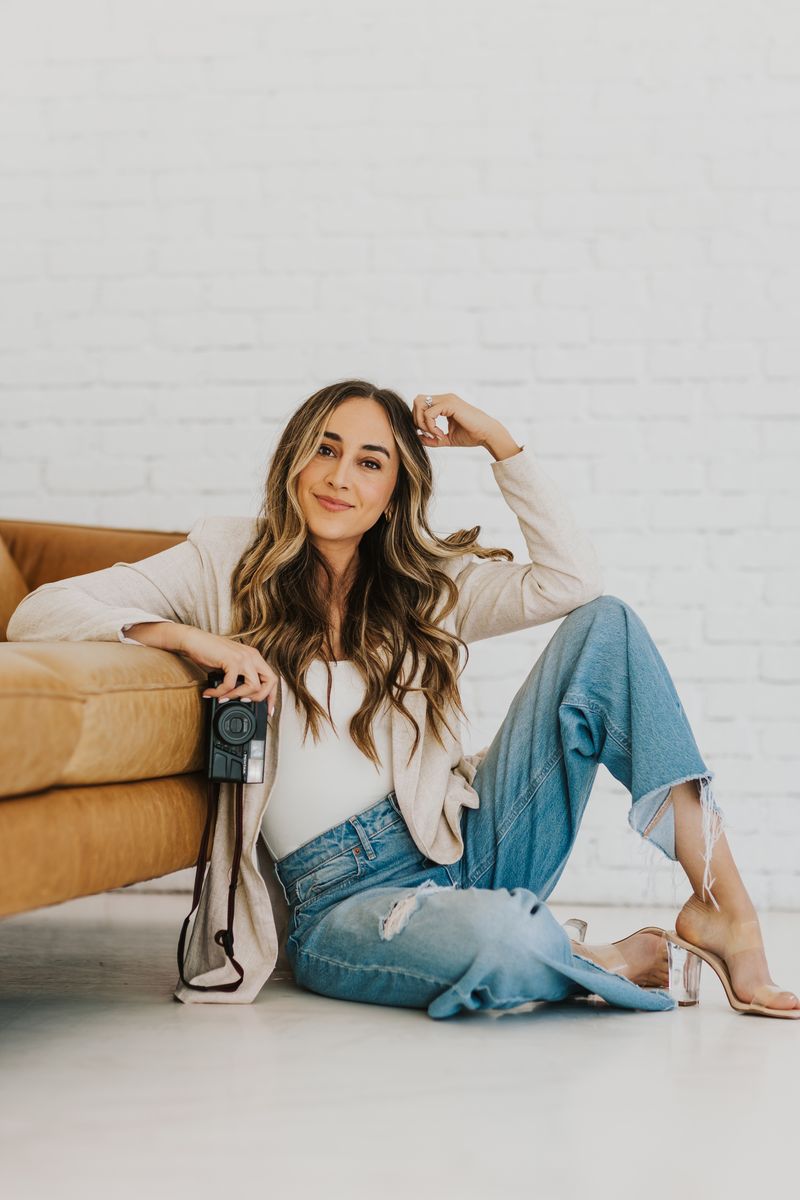
This week’s Mentor of the Week is Morgan Lenard, the heart and creative force behind Onyx & Ivory in Prosper, Texas. With a background that spans from college internships to managing a full-scale photo studio, Morgan brings both hands-on experience and a deep, heartfelt connection to her craft. She’s built her business around two things that are hard to fake — genuine care and thoughtful structure — and she pours that same energy into every mentoring relationship. If you’re a photographer looking to refine your workflow, build a standout senior model program, or create an experience that clients will rave about, Morgan just might be the mentor you've been hoping for.
|
What type of mentoring do you offer?
I exclusively offer 1:1 mentorship sessions. I’ve participated in group retreats and shootouts many times, and while they were great for building friendships and creating beautiful content, I’ve found that I personally gain far more from one-on-one learning.
My goal is to give my mentees a true return on their investment and to support their individual success. I believe the most effective way to do that is through personalized, 1:1 mentorships tailored to each mentee’s specific needs. This approach is rooted in my own experience and the guidance I wish I had while developing my craft and growing my business; guidance that would have saved me time, money, and trial and error!
We offer virtual 1:1 meetings where I am all yours for your selected time block. You can ask me anything you want, from Model Programs to client communication, to project management and beyond! I always have my Mentees fill out a questionnaire ahead of time that will help us make the most of our time together. Again, I am all about being efficient with your time, that means filling our time with useful and helpful information, no fluff!
I also offer portfolio reviews during that time, if requested. Our largest mentorship collection offers a 30 minute mock session with a senior where our mentee can shoot alongside me. This allows them to learn, hands on, the ins and outs of how I treat each session and the experience that we offer our seniors, from posing to client interaction. Following the mock shoot is a 2 hour in-person meeting where I am open to follow up questions for 2 hours. We can edit alongside each other, and they can ask me anything they want, from gallery delivery, to building a model squad!
Who is your ideal mentee?
Beginners, established photographers, and photographers looking to break into the senior market! Did you have any mentors starting out?
When I first started, photography mentorships weren’t as easy to find as they are today. Although I would have really benefited from one, they just weren’t really a thing.
However, I did work for a photographer while I was in college who really helped me with developing my craft, client workflow, and client experience.
In 2014 I also had the opportunity to run an existing photography business here in DFW as the associate lead shooter and operating manager. I ended up running that business for six years and learned an incredible amount of valuable lessons in that season.
That experience allowed me to apply so much of what I’d learned to finally opening my own business, Onyx and Ivory, in 2020! I had so many new ideas stored away that I was never able to apply to the other business, so my creativity and ambition were overflowing at that point. But the real credit belongs to God. I was not ready to take that leap in 2020, and to be totally honest, the timing felt terrible. I was seven months pregnant with our first baby, it was the beginning of COVID, and the world was shut down. But the Lord pushed me and gave me peace that surpassed all understanding. When I finally took the leap, he blessed my business more than I could have ever imagined, doubling, then tripling in just those first 2 years, with continued growth ever since. I truly owe it all to Him, and would not be where I am without Him. His timing is always perfect! |
How would you describe your own shooting style?
I’d like to think my shooting style reflects each of my clients individually, so it really has a lot to do with the experience I provide them. Are they comfortable? Do they trust me? Those things matter, because if that confidence isn’t there, it will come through in your photos!
My editing style leans vibrant but natural, true-to-life skin tones, rich color, and nothing overdone. I’m especially drawn to golden hour because that soft, warm light creates such an effortless, dreamy feel. I edit with the goal of preserving the real mood of the moment, so every image feels honest, emotive, and timeless with a subtle editorial touch. More than anything, I want my clients to feel comfortable, confident, genuinely themselves, and to walk away with photos that feel both meaningful and memorable.
What topics do you most enjoy mentoring on?
Senior Model Rep Programs are my jam. I truly enjoy sharing everything that has worked for me, and I love to nerd out on all the details.
I also love chatting about how to create a client experience that they will remember forever, as well as client communication, organization, and workflows. |
If you could go back and mentor yourself when you were just starting out, what’s something you would tell yourself?
Outside of technical shooting and editing tips, I would focus on client experience and how you can bring something different to the table, other than pretty pictures. What can you offer that others cannot?
Hands down, my number one compliment or review talks more about the client experience than their actual photos. That’s what allowed my business to grow so rapidly. I know this because I was hearing it directly from my clients.
I can’t tell you how many times I’ve had clients who already had their photos done with someone else and came to us afterward, simply to experience what their friends had said about Onyx and Ivory.
I genuinely love people and love hearing their stories, so this has allowed me to get to know my seniors on a personal level. I am invested in them as much as they are invested in me!
Going back to earning their trust — I think a lot of this has to do with them knowing and understanding you’re a real person too. There’s a level of connection they want to have with you.
Once you build that trust, the connection happens naturally. Be authentically you. Authenticity is typically reciprocated and appreciated.
What’s something people might be surprised to learn about you?
I come from a big Portuguese family — my great-grandparents immigrated here from Madeira, Portugal. I’m one of five, and my mom is one of ten, so I have over 50 cousins (and counting)! Growing up, they were like our siblings and built-in best friends, so there was never a dull moment! How should potential mentees contact you?
Head to our website, click on “Photographers,” then “Mentorships” and fill out our inquiry form:
🔗onyxandivory.com/mentorships |
|
|
Are you teaching a workshop on the horizon, I’d love to help you spread the word. NO CHARGE - No strings.
Just send me the details and a graphic, and I’ll get it in front of a bunch of senior photographers who might want in.
SeniorInspire the Newsletter goes out to about 2,500 senior photographers across the country, and nearly half of them actually open it (the rest are slackers who probably don't go to workshops either).
Anyway, just reply to this email with the details and a graphic, and I’ll get it in front of a bunch of senior photographers who might just want in.
Simple as that. |
If you made it this far and have any opinions or ideas I'd love to hear it. Good, bad, whatever. Just hit reply or send me an email and let me know what you think. I love the feedback! |
Just a heads up... there's one week left to submit your images for this year’s Photographers I’d Like to Follow contest. Don’t miss your chance to get your best work in front of the SeniorInspire community and into the Spring issue of the magazine.
This week’s Tune of the Week is the psychedelic classic “Time of the Season” by The Zombies. I caught a new documentary on the band this week and was struck by how much they struggled early on. They were creating hit after hit while barely getting paid. It wasn’t until they finally understood the business and believed in the value of their work that things started to shift. Sound familiar?
Pricing isn’t just about numbers. It’s about confidence. It’s about knowing what you bring to the table and refusing to undersell it, even when others try to make you question it.
So if you’re still holding back on your pricing (or your Photographers I'd Love to Follow submission), let this be your sign: it's YOUR time of the season. 🎧 Time of the Season – The Zombies
See you next week — and get those entries in. Nick
SeniorInspire |
Like what your read? Forward to a friend.
Not subscribed? Go HERE to get on the list. |
|
|
|