If you can't see this newsletter properly, please click here |
|
|
IPSA NEWSLETTER – January 2026 |
|
|
TIME TO RENEW YOUR MEMBERSHIP OR BECOME
AN IPSA MEMBER FOR 2026 |
In 2026, we invite you to renew your membership or join our global community of political scientists. IPSA offers both individual and institutional membership options. Join us to help strengthen political science worldwide and contribute to shaping the future of the discipline. |
|
|
| JOIN IPSA'S
WORK-IN-PROGRESS SESSIONS (WiPS)
Call for Papers Open:
31 March 2026
|
The second edition of IPSA’s online Work-in- Progress Sessions (WiPS) will be held from 13–19 July 2026. First launched as part of IPSA’s 75th anniversary celebrations in 2024, the project aims to establish a series of interactive workshops where individual IPSA members can present and engage in in-depth discussions about their ongoing research with colleagues who share similar interests and topics. |
|
|
IPSA AT THE AAPS CONFERENCE IN DAKAR |
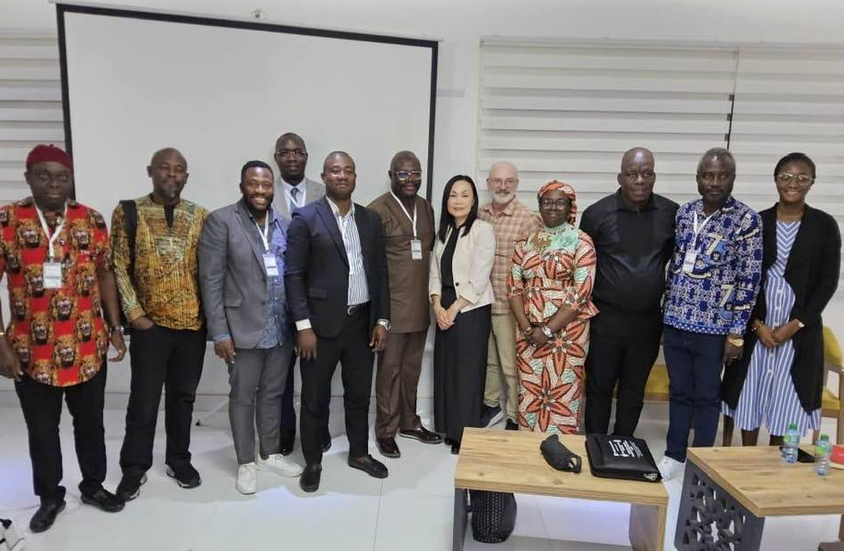
IPSA President Yuko Kasuya and several Executive Committee members were in Dakar, Senegal, to participate in the 18th Biennial Conference of the African Association of Political Science (AAPS), held from 7 to 10 December 2025. |
|
|
ESPERANZA PALMA AND INDRAJIT ROY APPOINTED AS OMBUDSPERSONS FOR THE 2027 IPSA WORLD CONGRESS
|
We are delighted to announce the appointment of IPSA Executive Committee members Esperanza Palma (Mexico) and Indrajit Roy (United Kingdom) as ombudspersons for the 2027 IPSA World Congress of Political Science, to be held in Rome from 24 to 28 July 2027. |
|
|
THE IPSA COMPANION TO POLITICAL SCIENCE REACHES NEARLY 100 PUBLISHED ENTRIES
|
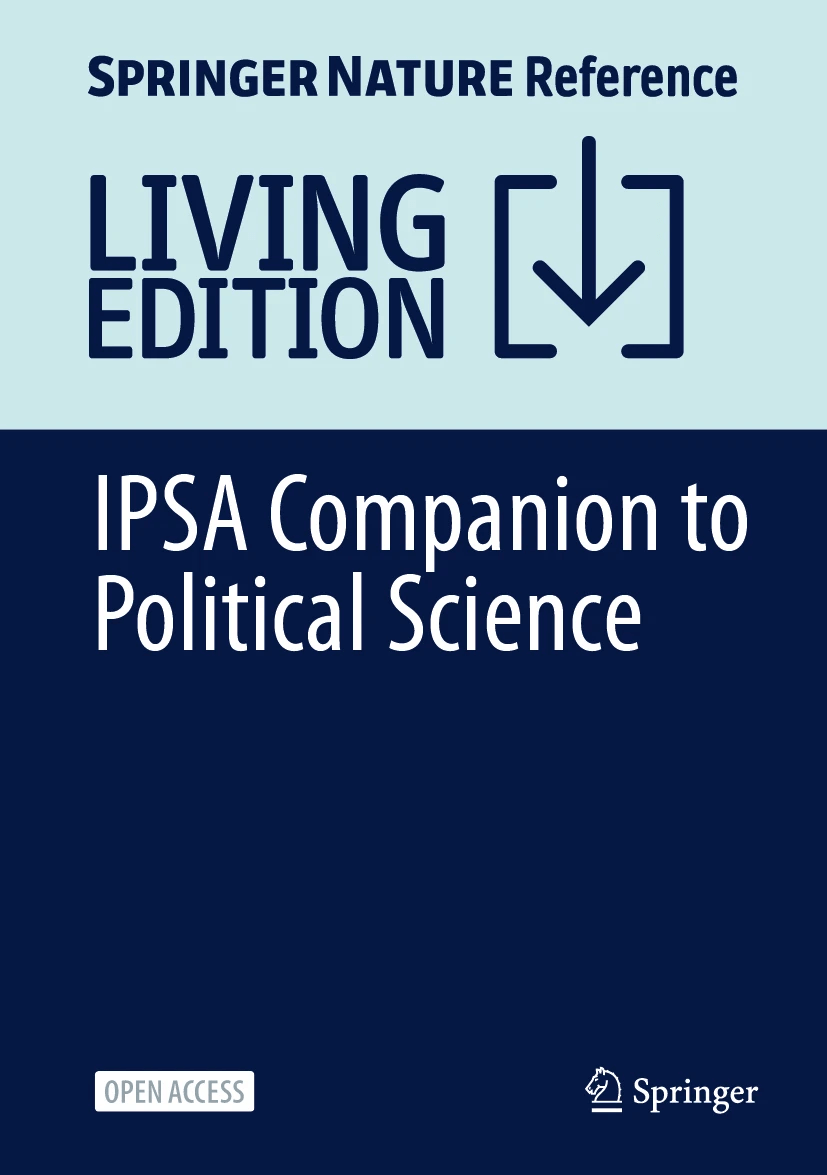
We are pleased to announce that the IPSA Companion to Political Science: A Practical Introduction to the 200 Most Important Concepts (Springer, 2025) continues to expand, with nearly 100 open-access entries already published. The editors of the volume, Daniel Stockemer, Stephen Sawyer, and Audrey Gagnon, published the introduction, which sets out the rationale, scope, and objectives of this book. |
| NEW ISSUE OF IPSR PUBLISHED (JANUARY 2026) |
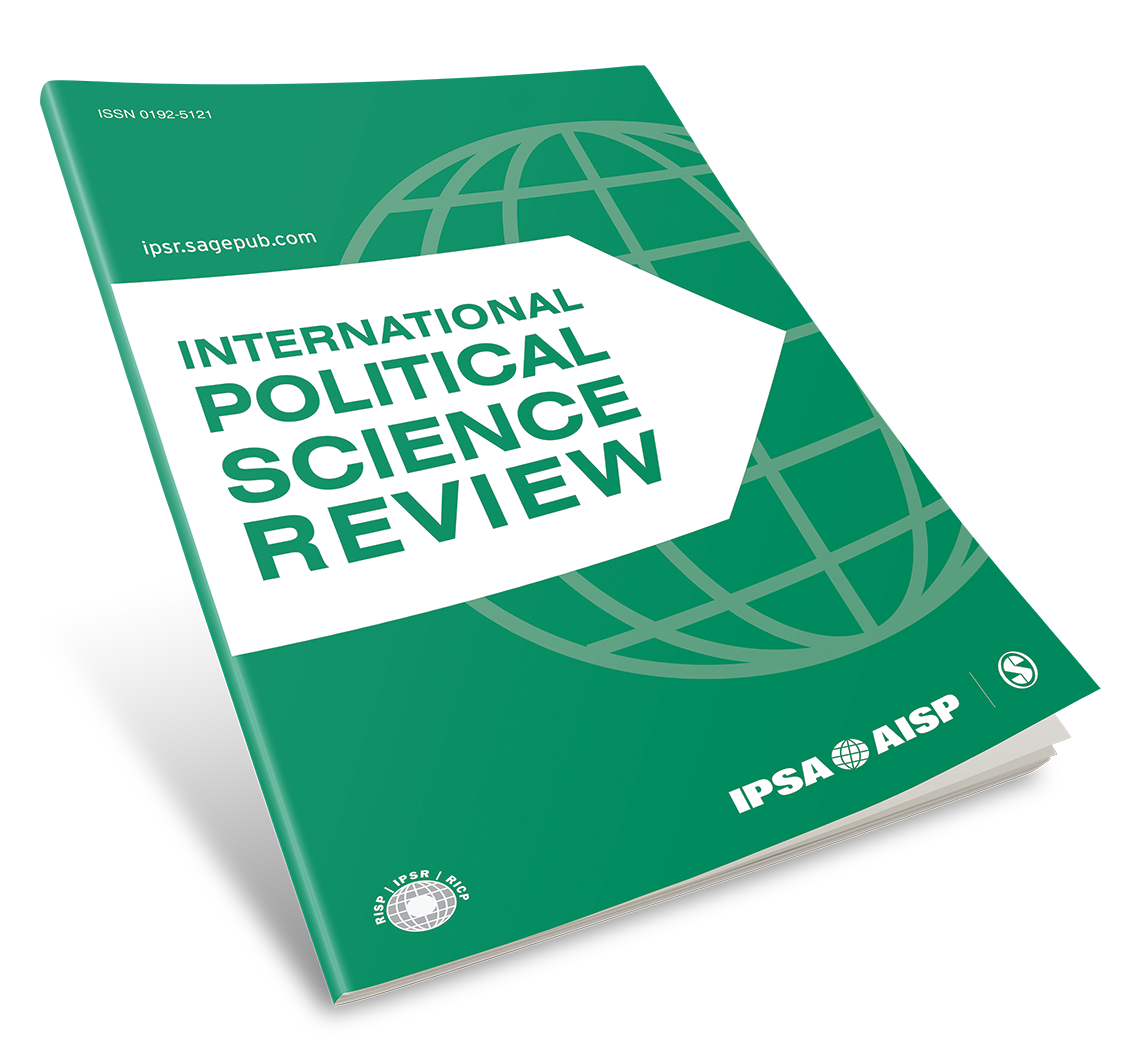
IPSA’s flagship journal, the International Political Science Review (IPSR), kicks off the year with a new issue (Volume 47, Issue 1, January 2026) featuring an interesting blend of theoretically novel and thematically relevant articles. IPSA members can access all issues of the journal, including the IPSR archive dating back to 1980, through the My IPSA menu.
|
|
|
TUAN-NGOC PHAN AND DEAN DULAY NAMED RECIPIENTS OF THE FRANCESCO KJELLBERG AWARD
|
Tuan-Ngoc Phan and Dean Dulay have been named the recipients of the 2025 IPSA Francesco Kjellberg Award for Outstanding Papers Presented by New Scholars. Their paper, Decoding Corruption Cycles: Collusive versus Extractive Corruption, presented at the 2025 IPSA World Congress, examines the evolution of different forms of corruption over politicians’ careers. |
|
|
A LEGACY OF LEADERSHIP:
IPSA PRESIDENTS FROM 1949 TO TODAY |
IPSA expanded its digital history timeline to feature biographies of all 28 IPSA Presidents since 1949. From the first President, Quincy Wright, to the current President, Yuko Kasuya, the new “IPSA Presidents” section highlights each president’s contributions and lasting impact on the field of political science. Visit the digital timeline to explore IPSA’s rich history and follow its journey through the decades. |
|
|
1) Education at a Glance 2025 is the OECD’s latest flagship report on education, tracking internationally comparable indicators across OECD and partner countries. Produced by the OECD Directorate for Education and Skills through the INES program, the report provides policymakers with essential data for evidence-based decision-making and international benchmarking. This year’s edition shows that tertiary attainment among young adults has reached an all-time high (48% on average across OECD countries). However, socioeconomic disparities persist, and completion rates remain a challenge: only 43% of bachelor’s students graduate on time, and men are less likely than women to complete their degree. Despite higher levels of educational success, adult literacy and numeracy skills stagnated or declined between 2012 and 2023, which is particularly relevant for today’s AI-and-skills debate (Research Institutes on the IPSAPortal).
2) The Government at a Glance 2025 report provides a comprehensive overview of government performance in public governance, public services, and digital government. Drawing on OECD surveys and internationally comparable indicators, the report supports public administrations navigating overlapping demographic, environmental, and digital transitions, at a time when low levels of trust continue to undermine policy effectiveness. The report argues that stronger data governance and the strategic use of digital tools, including AI, could deliver significant efficiency gains, provided that countries develop coherent frameworks for digital transformation. One particularly striking insight concerns open data: on average, only 47% of high-value datasets are available as open data, dropping to 37% for education datasets. Compared to earlier editions, the 2025 report places greater emphasis on governance outcomes such as trust, security, and dignity, and includes a dedicated focus on the long-term governance of the green transition (Research Institutes on the IPSAPortal).
3) The European Commission’s State of the Digital Decade 2025 package provides an annual overview of the EU's progress towards achieving the Digital Decade 2030 targets. It combines a main analytical report with a data-rich annex drawing on DESI monitoring and the national roadmaps of EU Member States. The findings point to uneven progress: Although connectivity and certain digital public services are improving, major gaps remain in strategic technologies such as AI, cloud computing and data analytics, and in the supply of ICTs and basic digital skills. Infrastructure remains a bottleneck: VHCN coverage reached 82.5%, and fibre coverage reached 69.2% in 2024. However, at the current pace, full fibre rollout would only be achieved by 2051. Although AI adoption is rising — enterprise use grew from 8.1% to 13.5% in 2024 — it remains far from the 2030 target of 75%. The package also highlights an increasing challenge in terms of resilience, noting that cyberattacks increased by 150% in 2024 (Thematic Networks on the IPSAPortal).
|
|
|
International Political Science Association | Montreal, Canada ipsa.org |
|
|
|